Search by Keyword
|
 US picture sleeve
|
“YESTERDAY”
(John Lennon – Paul McCartney)
 “I really reckon ‘Yesterday’ was probably my best song.” This humble statement from Paul McCartney typifies what many fans believe to be the truth as to his creative output throughout his career. Although when asked on different occasions throughout the years what his favorite original composition was, he came up with many answers. “Your songs are like your babies, it’s difficult to have a favorite,” he said in 2007. “Here, There And Everywhere” has been stated regularly, although “Hey Jude,” “Blackbird” and “Here Today” have been cited. He also once included “Maybe I’m Amazed” as one of his favorites, saying “that’s a nice song, I like that one.” “I really reckon ‘Yesterday’ was probably my best song.” This humble statement from Paul McCartney typifies what many fans believe to be the truth as to his creative output throughout his career. Although when asked on different occasions throughout the years what his favorite original composition was, he came up with many answers. “Your songs are like your babies, it’s difficult to have a favorite,” he said in 2007. “Here, There And Everywhere” has been stated regularly, although “Hey Jude,” “Blackbird” and “Here Today” have been cited. He also once included “Maybe I’m Amazed” as one of his favorites, saying “that’s a nice song, I like that one.”
 In 1980, Paul explained the reason why “Yesterday” could be described as his best song. “I like it not only because it was a big success, but 'cause it was one of the most instinctive songs I have ever written.” Concerning the song being a “success,” it has been described to be the most successful song in history. According to Chris Ingham’s 2003 book “The Rough Guide To The Beatles,” ths song "Yesterday" "holds the record as the most recorded song in history, with over 2500 versions, and has been broadcast on American radio over seven million times." In 1980, Paul explained the reason why “Yesterday” could be described as his best song. “I like it not only because it was a big success, but 'cause it was one of the most instinctive songs I have ever written.” Concerning the song being a “success,” it has been described to be the most successful song in history. According to Chris Ingham’s 2003 book “The Rough Guide To The Beatles,” ths song "Yesterday" "holds the record as the most recorded song in history, with over 2500 versions, and has been broadcast on American radio over seven million times."
 "I get made fun of because of it a bit," recalled Paul as quoted in Chris Salewicz's 1986 "McCartney" biography. "I can remember George saying, 'Blimey, he is always talking about "Yesterday," you'd think he was Beethoven or somebody.' But it is the one, I reckon, that is the most complete thing I've ever written. It's very catchy without being sickly, too. When you are trying to write a song, there are certain times when you get the essence, it's all there. It's like an egg being laid, it's so there, not a crack nor a flaw in it." "I get made fun of because of it a bit," recalled Paul as quoted in Chris Salewicz's 1986 "McCartney" biography. "I can remember George saying, 'Blimey, he is always talking about "Yesterday," you'd think he was Beethoven or somebody.' But it is the one, I reckon, that is the most complete thing I've ever written. It's very catchy without being sickly, too. When you are trying to write a song, there are certain times when you get the essence, it's all there. It's like an egg being laid, it's so there, not a crack nor a flaw in it."
As to the song being "instinctive," Paul’s explanation of how it was written has passed into the category of legend, as we’ll investigate below.

Paul's bedroom at 57 Wimpole St, London (as it looked in more recent years) where he wrote "Yesterday"
Songwriting History
 When I wrote something like 'Yesterday,' it was our kind of aim, really, to impress the people who knew music rather than just the teenyboppers," Paul stated in October 22nd, 1987 during an interview with Joe Smith. "We'd kind of written a few songs like that, simple teenybopper stuff, which I'd like and all that. But you always wanted - you'd be around musicians, you'd be around orchestras, you'd do a gig. There is a Northern dance orchestra up in Manchester. They were all the guys we were listening to before the brass players and the hardened guys who (Frank) Sinatra would play with if he ever got that far up North, the tough boys. And you'd always hang out with them a little bit and have jokes. And you always wanted to be respected in their eyes 'cause we sort of had the other respect. We had the kids respect...the youth market. But you wanted, kind of, good people like that to know about you." When I wrote something like 'Yesterday,' it was our kind of aim, really, to impress the people who knew music rather than just the teenyboppers," Paul stated in October 22nd, 1987 during an interview with Joe Smith. "We'd kind of written a few songs like that, simple teenybopper stuff, which I'd like and all that. But you always wanted - you'd be around musicians, you'd be around orchestras, you'd do a gig. There is a Northern dance orchestra up in Manchester. They were all the guys we were listening to before the brass players and the hardened guys who (Frank) Sinatra would play with if he ever got that far up North, the tough boys. And you'd always hang out with them a little bit and have jokes. And you always wanted to be respected in their eyes 'cause we sort of had the other respect. We had the kids respect...the youth market. But you wanted, kind of, good people like that to know about you."
 The song began being compoased at 57 Wimpole Street in London, the family residence of Richard and Margaret Asher where Paul lived while dating their daughter Jane Asher. Paul slept in "a very small attic room with one window, a garret, which was perfect for an artist," Paul related in his book "The Lyrics." He added: "There was not any room for me to keep all my records, many of which had been mailed to me from the US before they were available in the UK. They had to be stored outside on the landing. Somehow I had a piano in there - a small, sawn-off piano that stood by my bed." The song began being compoased at 57 Wimpole Street in London, the family residence of Richard and Margaret Asher where Paul lived while dating their daughter Jane Asher. Paul slept in "a very small attic room with one window, a garret, which was perfect for an artist," Paul related in his book "The Lyrics." He added: "There was not any room for me to keep all my records, many of which had been mailed to me from the US before they were available in the UK. They had to be stored outside on the landing. Somehow I had a piano in there - a small, sawn-off piano that stood by my bed."
 Paul vividly recalled the morning that the beginnings of the song "Yesterday" came into existence, as related in his 1997 book "Many Years From Now": "I'd woke up with a lovely tune in my head. I thought, ‘That’s great, I wonder what that is?’ There was an upright piano next to me, to the right of the bed by the window. I got out of bed, sat at the piano, found G, found F sharp minor 7th – and that leads you through then to B to E minor, and finally back to E. This all leads forward logically. I liked the melody a lot but because I’d dreamed it I couldn’t believe I’d written it. I had thought, ‘No, I’ve never written like this before.’ But I had the tune, which was the most magic thing. Next you have to ask yourself, ‘Where did it come from?’ But you don’t ask yourself too much or it might go away. There are certain times when you get the essence, it's all there. It’s like an egg being laid – not a crack or flaw in it." Paul vividly recalled the morning that the beginnings of the song "Yesterday" came into existence, as related in his 1997 book "Many Years From Now": "I'd woke up with a lovely tune in my head. I thought, ‘That’s great, I wonder what that is?’ There was an upright piano next to me, to the right of the bed by the window. I got out of bed, sat at the piano, found G, found F sharp minor 7th – and that leads you through then to B to E minor, and finally back to E. This all leads forward logically. I liked the melody a lot but because I’d dreamed it I couldn’t believe I’d written it. I had thought, ‘No, I’ve never written like this before.’ But I had the tune, which was the most magic thing. Next you have to ask yourself, ‘Where did it come from?’ But you don’t ask yourself too much or it might go away. There are certain times when you get the essence, it's all there. It’s like an egg being laid – not a crack or flaw in it."
 Speaking of eggs, so that Paul's memory of the melody wouldn’t “go away,” he wrote some simple words to go along with the phrasing of the melody. “It had no words. I used to call it ‘Scrambled Eggs.’ The lyrics used to go, ‘Scrambled eggs, oh, my baby, how I love your legs…’ There was generally a laugh at that point - you did not need to write any more lyrics.” In his book "The Lyrics," Paul elaborated a bit more: "Using dummy lyrics was not something I did a lot. This was a rare thing." Jane Asher once replied: “Don’t believe that part about ‘How I loved your legs.’ That’s bunk! My legs are horrid!” (And to set the record straight, Paul did not write a second verse that started “Cottage fries, oh, my baby, how I love your thighs.” ) :-) Speaking of eggs, so that Paul's memory of the melody wouldn’t “go away,” he wrote some simple words to go along with the phrasing of the melody. “It had no words. I used to call it ‘Scrambled Eggs.’ The lyrics used to go, ‘Scrambled eggs, oh, my baby, how I love your legs…’ There was generally a laugh at that point - you did not need to write any more lyrics.” In his book "The Lyrics," Paul elaborated a bit more: "Using dummy lyrics was not something I did a lot. This was a rare thing." Jane Asher once replied: “Don’t believe that part about ‘How I loved your legs.’ That’s bunk! My legs are horrid!” (And to set the record straight, Paul did not write a second verse that started “Cottage fries, oh, my baby, how I love your thighs.” ) :-)
 The question is, when did this morning occur when Paul dreamed up the melody for "Yesterday"? There are various sources that attempt to pinpoint the time period. Barry Miles, co-author of Paul McCartney’s 1997 book “Many Years From Now,” explained this morning as taking place in May of 1965. However, because Paul bought his first house at 7 Cavendish Ave. in St. Johns Wood in London on April 13th, 1965, he no longer resided with the Asher family in May. Producer George Martin insisted "I first heard 'Yesterday' when it was known as 'Scrambled Eggs,' Paul's working title, at the George V Hotel in Paris in January 1964." However, it seems quite unlikely that Paul would have held onto this new song idea through two Beatles' albums ("A Hard Day's Night" and "Beatles For Sale") before he would premier it for consideration to be recorded, especially since the group had been somewhat scrambling for new material for "Beatles For Sale." The question is, when did this morning occur when Paul dreamed up the melody for "Yesterday"? There are various sources that attempt to pinpoint the time period. Barry Miles, co-author of Paul McCartney’s 1997 book “Many Years From Now,” explained this morning as taking place in May of 1965. However, because Paul bought his first house at 7 Cavendish Ave. in St. Johns Wood in London on April 13th, 1965, he no longer resided with the Asher family in May. Producer George Martin insisted "I first heard 'Yesterday' when it was known as 'Scrambled Eggs,' Paul's working title, at the George V Hotel in Paris in January 1964." However, it seems quite unlikely that Paul would have held onto this new song idea through two Beatles' albums ("A Hard Day's Night" and "Beatles For Sale") before he would premier it for consideration to be recorded, especially since the group had been somewhat scrambling for new material for "Beatles For Sale."
 With this in mind, Lennon related in 1965: “The song was around for months and months before we finally completed it. Paul wrote nearly all of it, but we just could not find the right title. Every time we both got together to write songs or for a recording session, this would come up. We called the song ‘Scrambled Eggs’ and it became a joke between us. We'd almost had it finished when we made up our minds that a one word title would suit it and, believe me, we just could not find the right one. Then, one morning, Paul had woke up, and the song and the title were both there. Completed! I know it sounds like a fairy tale, but it is the plain truth. I was sorry, in a way, because we had so many laughs about it.” As for the song idea being "around for months and months," as John stated above, a 1968 quote from Paul clarifies this. “It was called ‘Scrambled Egg’ for a couple of months, until I thought of ‘Yesterday.’ And that’s it. True story.” With this in mind, Lennon related in 1965: “The song was around for months and months before we finally completed it. Paul wrote nearly all of it, but we just could not find the right title. Every time we both got together to write songs or for a recording session, this would come up. We called the song ‘Scrambled Eggs’ and it became a joke between us. We'd almost had it finished when we made up our minds that a one word title would suit it and, believe me, we just could not find the right one. Then, one morning, Paul had woke up, and the song and the title were both there. Completed! I know it sounds like a fairy tale, but it is the plain truth. I was sorry, in a way, because we had so many laughs about it.” As for the song idea being "around for months and months," as John stated above, a 1968 quote from Paul clarifies this. “It was called ‘Scrambled Egg’ for a couple of months, until I thought of ‘Yesterday.’ And that’s it. True story.”
 The clearest recollection for nailing down a time period for when Paul dreamed up the melody for "Yesterday" came from Chris Dreja, the rhythm guitarist for the band The Yardbirds. He vividly explained a certain event that occurred during the seasonal extravaganza entitled “Another Beatles Christmas Show,” rehearsals of which started on December 21st, 1964. The Yardbirds were one of the opening acts of this UK production, which ran from December 24th, 1964 to January 16th, 1965. As quoted in Andy Babiuk’s book “Beatles Gear,” he recalled how Paul asked to come into the dressing room of The Yardbirds at some point to premier a new song he was writing. “He sat down with the guitar, and at that point hadn’t got the lyrics, just the melody. He explained it was called ‘Scrambled Eggs.’ And of course it was ‘Yesterday.’ There we were witnessing the start of one of the most famous songs of all time, and Paul was just playing it for us on an acoustic.” The clearest recollection for nailing down a time period for when Paul dreamed up the melody for "Yesterday" came from Chris Dreja, the rhythm guitarist for the band The Yardbirds. He vividly explained a certain event that occurred during the seasonal extravaganza entitled “Another Beatles Christmas Show,” rehearsals of which started on December 21st, 1964. The Yardbirds were one of the opening acts of this UK production, which ran from December 24th, 1964 to January 16th, 1965. As quoted in Andy Babiuk’s book “Beatles Gear,” he recalled how Paul asked to come into the dressing room of The Yardbirds at some point to premier a new song he was writing. “He sat down with the guitar, and at that point hadn’t got the lyrics, just the melody. He explained it was called ‘Scrambled Eggs.’ And of course it was ‘Yesterday.’ There we were witnessing the start of one of the most famous songs of all time, and Paul was just playing it for us on an acoustic.”
 Since The Beatles' late 1964 concert tour had been completed by November 10th of that year, thus bringing Paul right back to his living arrangement with the Ashers on November 11th, 1964, it can therefore be easily deduced that his dreaming up the melody for "Yesterday" was sometime between November 11th, 1964 and January 16th, 1965, since Paul premeired the song to The Yardbirds during this five-week run of "Another Beatles Christmas Show." Since The Beatles' late 1964 concert tour had been completed by November 10th of that year, thus bringing Paul right back to his living arrangement with the Ashers on November 11th, 1964, it can therefore be easily deduced that his dreaming up the melody for "Yesterday" was sometime between November 11th, 1964 and January 16th, 1965, since Paul premeired the song to The Yardbirds during this five-week run of "Another Beatles Christmas Show."
 The next job was to confirm that Paul did indeed write this melody. He explained: “It came too easy. I couldn’t believe it. I didn’t believe that I had written it. I thought that maybe I had heard it somewhere before, that it was some other tune. I went around for weeks playing the chords of the song for people, asking, ‘Is this like something? I think I’ve written it,’ and people would say, ‘No. It’s not like anything else, but it’s good.’" The next job was to confirm that Paul did indeed write this melody. He explained: “It came too easy. I couldn’t believe it. I didn’t believe that I had written it. I thought that maybe I had heard it somewhere before, that it was some other tune. I went around for weeks playing the chords of the song for people, asking, ‘Is this like something? I think I’ve written it,’ and people would say, ‘No. It’s not like anything else, but it’s good.’"
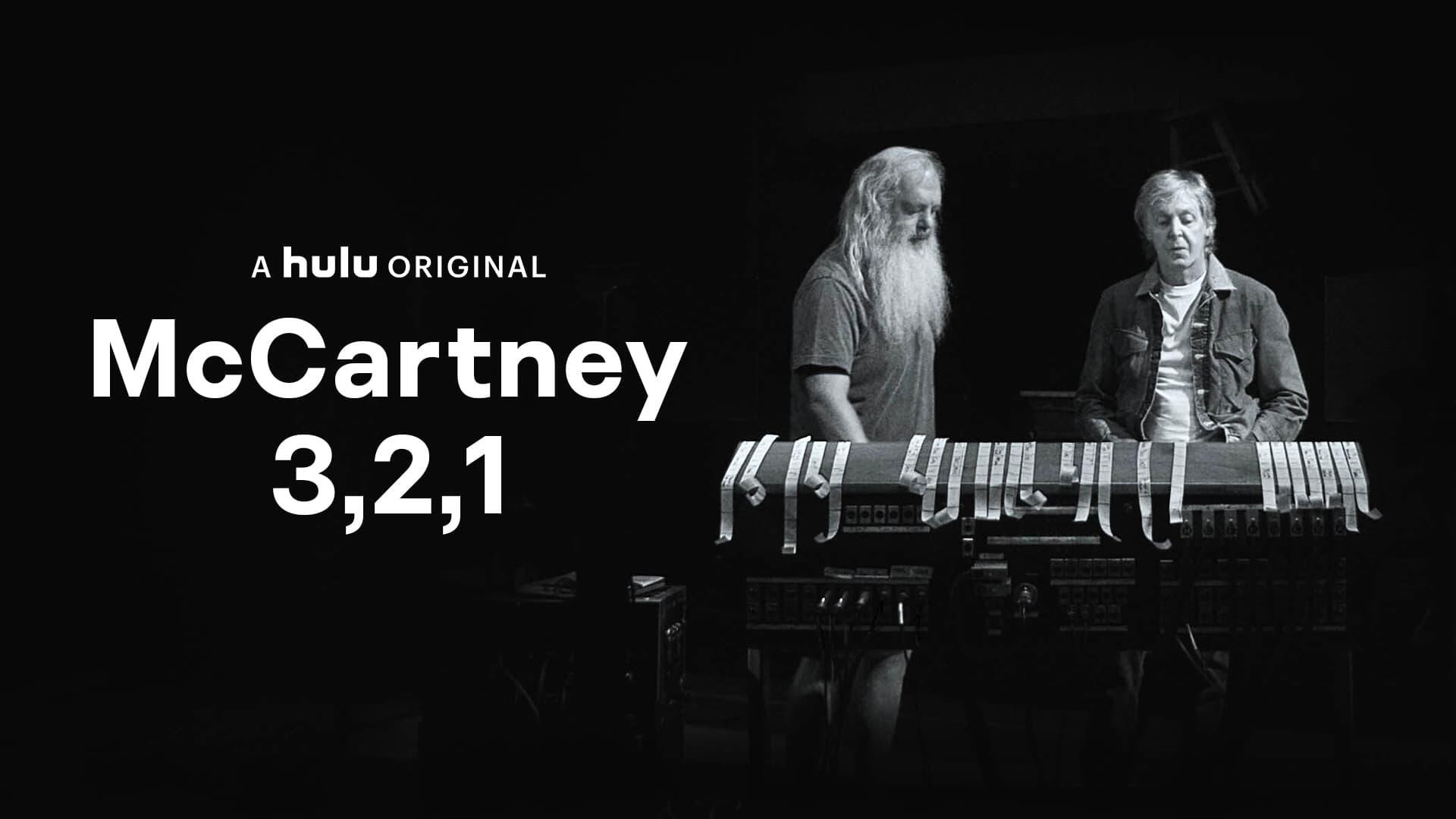 In his book "The Lyrics," McCartney wrote: "I think the first person I saw that morning outside the house was John. I asked, 'What's this song?' He said, 'I don't know. I've never heard it.'" In Paul's 2021 Hulu documentary series "McCartney 3,2,1," he added: "I took it to George Martin, our producer. He's got a wider knowledge of particularly older songs. So I said, 'What's this?' He said, 'I don't know.' I said...it's this melody, y'know, 'cause I can't have written it. There was no conscious effort involved. I just woke up and it was there.'" In his book "The Lyrics," McCartney wrote: "I think the first person I saw that morning outside the house was John. I asked, 'What's this song?' He said, 'I don't know. I've never heard it.'" In Paul's 2021 Hulu documentary series "McCartney 3,2,1," he added: "I took it to George Martin, our producer. He's got a wider knowledge of particularly older songs. So I said, 'What's this?' He said, 'I don't know.' I said...it's this melody, y'know, 'cause I can't have written it. There was no conscious effort involved. I just woke up and it was there.'"
 One person he auditioned the song for was the British vocalist Alma Cogan at her Kensington flat, a friend of Paul's that he described in his book "The Lyrics" as someone having a "pretty comprehensive knowledge of popular songs." “Alma was a bit of a song buff,” Paul related, “and she said, ‘I don’t know what it is, but it’s beautiful.’” Film director Richard Lester stated that Paul would bother everyone with the song on the set of The Beatles' movie "Help!," which was described by its writer as "the incubation" stage when "Yesterday" was being composed. “At some time during that period, we had a piano on one of the stages and he was playing this ‘Scrambled Eggs’ all the time,” Richard Lester recalled. "It got to the point where I said to him, ‘If you play that bloody song any longer I’ll have the piano taken off stage. Either finish it or give it up!’" One person he auditioned the song for was the British vocalist Alma Cogan at her Kensington flat, a friend of Paul's that he described in his book "The Lyrics" as someone having a "pretty comprehensive knowledge of popular songs." “Alma was a bit of a song buff,” Paul related, “and she said, ‘I don’t know what it is, but it’s beautiful.’” Film director Richard Lester stated that Paul would bother everyone with the song on the set of The Beatles' movie "Help!," which was described by its writer as "the incubation" stage when "Yesterday" was being composed. “At some time during that period, we had a piano on one of the stages and he was playing this ‘Scrambled Eggs’ all the time,” Richard Lester recalled. "It got to the point where I said to him, ‘If you play that bloody song any longer I’ll have the piano taken off stage. Either finish it or give it up!’"
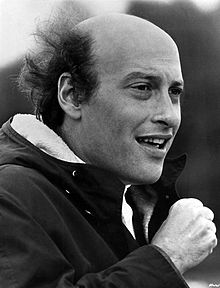 In his book "The Lyrics," Paul confirmed this to be true. "When there was a chance, I would ask for a piano to be nearby so I could work on the song. I think the middle eight was written on set. And it got to the point where the director, Richard Lester, started to get annoyed at always hearing the song. One day he shouted, 'If I hear that once more. I will have the bloody piano taken away!' I do not think it helped matters that when he would ask what the song was called, I would reply, 'Scrambled Eggs.'...When the 'Help!' album was released, Dick Lester was away on holiday, so I sent him a copy of it with a note saying, 'I hope you like "Scrambled Eggs!"'" In his book "The Lyrics," Paul confirmed this to be true. "When there was a chance, I would ask for a piano to be nearby so I could work on the song. I think the middle eight was written on set. And it got to the point where the director, Richard Lester, started to get annoyed at always hearing the song. One day he shouted, 'If I hear that once more. I will have the bloody piano taken away!' I do not think it helped matters that when he would ask what the song was called, I would reply, 'Scrambled Eggs.'...When the 'Help!' album was released, Dick Lester was away on holiday, so I sent him a copy of it with a note saying, 'I hope you like "Scrambled Eggs!"'"
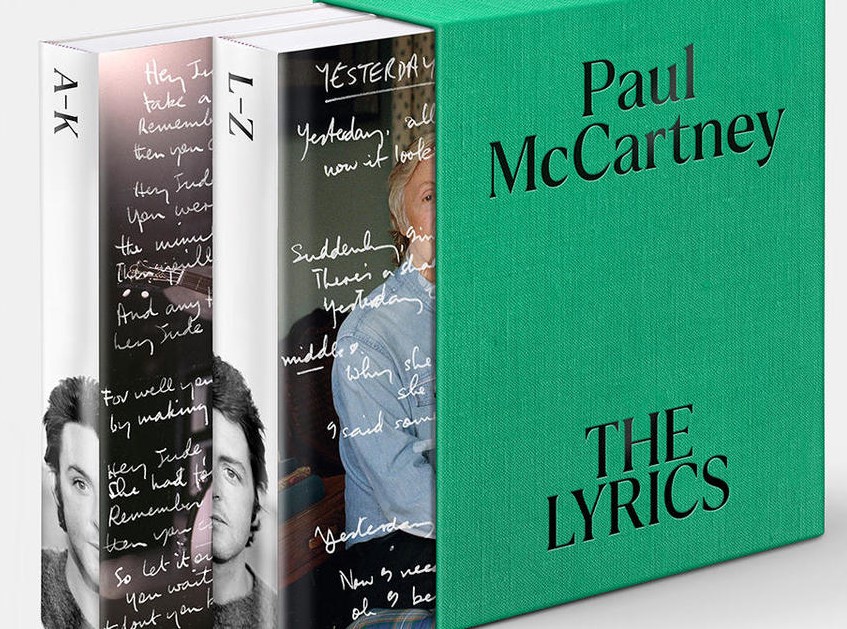 At some point, Paul did become convinced that the melody did in fact come from him. McCartney said, "Eventually it became like handing something in to the police. I then thought that if no-one claimed it after a few weeks then I would have it." He elaborated this point further in his book "The Lyrics": "After a couple weeks, it became clear that no one knew the song and it did not exist, except in my head. So I claimed it and spent time playing around with it, adding to it and perfecting it. It was like finding a 10 pound note on the street." At some point, Paul did become convinced that the melody did in fact come from him. McCartney said, "Eventually it became like handing something in to the police. I then thought that if no-one claimed it after a few weeks then I would have it." He elaborated this point further in his book "The Lyrics": "After a couple weeks, it became clear that no one knew the song and it did not exist, except in my head. So I claimed it and spent time playing around with it, adding to it and perfecting it. It was like finding a 10 pound note on the street."
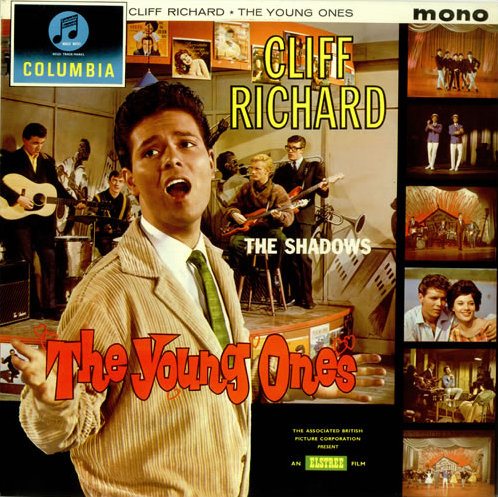 The only thing left was writing proper lyrics. After filming the movie “Help!” was complete, Paul and Jane Asher scheduled a holiday in Albufeira, on the southern coast of Portugal, utilizing a villa borrowed from friend Bruce Welch, rhythm guitarist for Cliff Richard And The Shadows. After they flew from London to Lisbon on May 27th, 1965, Paul and Jane needed to drive 180 miles from Lisbon to get to the villa. Paul recalled, “It was a long hot, dusty drive. Jane was sleeping but I couldn’t, and when I’m sitting that long in a car I either manage to get some sleep or my brain starts going. I remember mulling over the tune ‘Yesterday,’ and then suddenly getting these little one-word openings to the verse.” The only thing left was writing proper lyrics. After filming the movie “Help!” was complete, Paul and Jane Asher scheduled a holiday in Albufeira, on the southern coast of Portugal, utilizing a villa borrowed from friend Bruce Welch, rhythm guitarist for Cliff Richard And The Shadows. After they flew from London to Lisbon on May 27th, 1965, Paul and Jane needed to drive 180 miles from Lisbon to get to the villa. Paul recalled, “It was a long hot, dusty drive. Jane was sleeping but I couldn’t, and when I’m sitting that long in a car I either manage to get some sleep or my brain starts going. I remember mulling over the tune ‘Yesterday,’ and then suddenly getting these little one-word openings to the verse.”
 "I started to develop the idea: 'Scram-ble-d eggs, da-da da.' I knew these syllables had to match the melody, obviously: da-da da, yes-ter-day, sud-den-ly, fun-il-ly, mer-il-ly, and ‘Yes-ter-day,’ that was good. ‘All my troubles seemed so far away.’ It’s easy to rhyme those ‘a’s: say, nay, today, away, play, stay, there are a lot of rhymes and those fall in quite easily, so I gradually pieced it together from that journey. ‘Sud-den-ly,’ and ‘b’ again, another easy rhyme: e, me, tree, flea, we, and I had the basis of it." In his book "The Lyrics," Paul explained: "I also remember thinking, 'People like sad songs.' I remember thinking that even I like sad songs. By the time I got to Albuferia, I'd completed the lyrics." "I started to develop the idea: 'Scram-ble-d eggs, da-da da.' I knew these syllables had to match the melody, obviously: da-da da, yes-ter-day, sud-den-ly, fun-il-ly, mer-il-ly, and ‘Yes-ter-day,’ that was good. ‘All my troubles seemed so far away.’ It’s easy to rhyme those ‘a’s: say, nay, today, away, play, stay, there are a lot of rhymes and those fall in quite easily, so I gradually pieced it together from that journey. ‘Sud-den-ly,’ and ‘b’ again, another easy rhyme: e, me, tree, flea, we, and I had the basis of it." In his book "The Lyrics," Paul explained: "I also remember thinking, 'People like sad songs.' I remember thinking that even I like sad songs. By the time I got to Albuferia, I'd completed the lyrics."
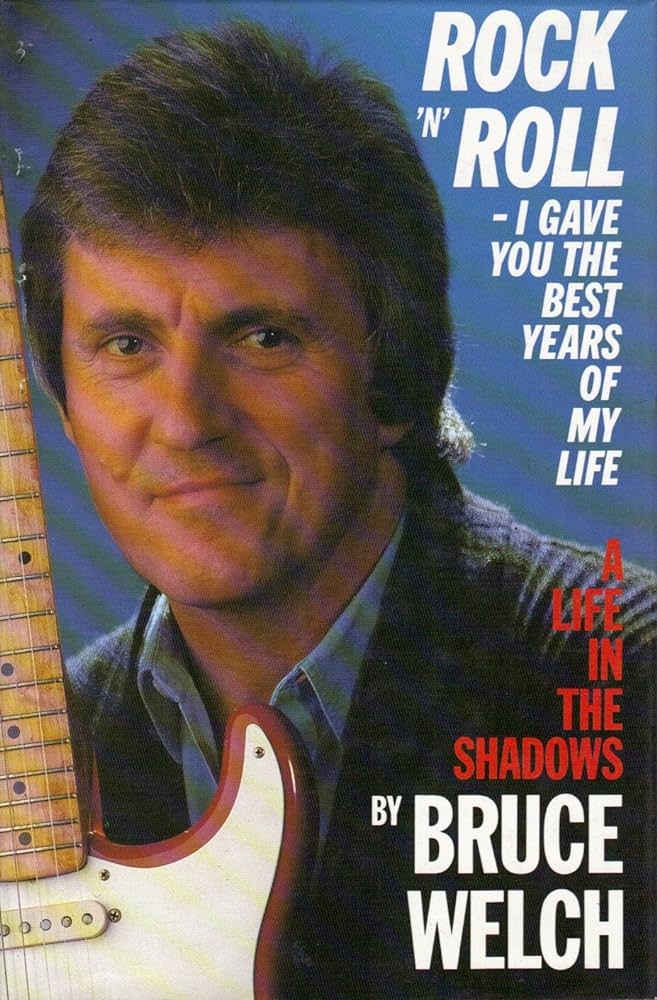 Then, when he made it to the villa, he met up with Bruce Welsh. “I was packing to leave and Paul asked me if I had a guitar,” recalled Bruce Welch, adding: “He'd apparently been working on the lyrics as he drove to Albufeira from the airport at Lisbon. He borrowed my guitar and started playing the song we all now know as ‘Yesterday.’” Then, when he made it to the villa, he met up with Bruce Welsh. “I was packing to leave and Paul asked me if I had a guitar,” recalled Bruce Welch, adding: “He'd apparently been working on the lyrics as he drove to Albufeira from the airport at Lisbon. He borrowed my guitar and started playing the song we all now know as ‘Yesterday.’”
“I think I finished the lyrics about two weeks later, which was quite a long time for me,” Paul said. “Generally, John and I would sit down and finish a song within three hours, but this was more organic. I put in those words over the next couple of weeks.” This would take it right up to the recording date of the song – June 14th, 1965.
 There apparently was still some hesitancy in Paul's mind about releasing the song. In Eric Burdon's autobiography "I Used To Be An Animal But I'm All Right Now," he writes about a phone call he received from singer Chris Farlowe, who had been on the London music scene since the late fifties and who's career needed a boost."'Listen, you'll never guess what happened. Paul McCartney - you know, Paul out of The Beatles?" Yes, I had heard of him. 'Well, he came around to our house in the middle of the night. I was out doing a show, but me mum was in and Paul left her a demo disc for me to listen to.' This was wonderful news. When was Chris going into the studio to cut this gift from the gods? 'Ah,' he growled. 'I don't like it. It's not for me. It was too soft. I need a good rocker, you know, a shuffle or something.' 'Yeah, but Chris,' I said, 'Anything to give you a start, man. I mean, even if it's a ballad you should go ahead and record it.' 'No, I don't like it,' he insisted. 'Too soft.' 'So what are you gonna do with the song?' 'Well, I sent it back, didn't I?' 'What was the title of the song?' '"Yesterday",' he retorted." There apparently was still some hesitancy in Paul's mind about releasing the song. In Eric Burdon's autobiography "I Used To Be An Animal But I'm All Right Now," he writes about a phone call he received from singer Chris Farlowe, who had been on the London music scene since the late fifties and who's career needed a boost."'Listen, you'll never guess what happened. Paul McCartney - you know, Paul out of The Beatles?" Yes, I had heard of him. 'Well, he came around to our house in the middle of the night. I was out doing a show, but me mum was in and Paul left her a demo disc for me to listen to.' This was wonderful news. When was Chris going into the studio to cut this gift from the gods? 'Ah,' he growled. 'I don't like it. It's not for me. It was too soft. I need a good rocker, you know, a shuffle or something.' 'Yeah, but Chris,' I said, 'Anything to give you a start, man. I mean, even if it's a ballad you should go ahead and record it.' 'No, I don't like it,' he insisted. 'Too soft.' 'So what are you gonna do with the song?' 'Well, I sent it back, didn't I?' 'What was the title of the song?' '"Yesterday",' he retorted."
 Although John had intimated in 1966 that he had played a part in composing the song, saying “We just helped finish off the ribbons ‘round it, you know – tying it up,” this appears to be an isolated assertion. For instance, in 1980 he remembered it quite differently. “That was Paul’s song, and Paul’s baby. Well done. Beautiful – and I never wished I’d written it.” In a 2001 interview in Readers' Digest, Paul interestingly stated: "John always said he had nothing to do with that song." Even Ringo concurred: "Paul, of course, had written his ‘Yesterday,’ the most recorded song in history – What a guy!" Although John had intimated in 1966 that he had played a part in composing the song, saying “We just helped finish off the ribbons ‘round it, you know – tying it up,” this appears to be an isolated assertion. For instance, in 1980 he remembered it quite differently. “That was Paul’s song, and Paul’s baby. Well done. Beautiful – and I never wished I’d written it.” In a 2001 interview in Readers' Digest, Paul interestingly stated: "John always said he had nothing to do with that song." Even Ringo concurred: "Paul, of course, had written his ‘Yesterday,’ the most recorded song in history – What a guy!"
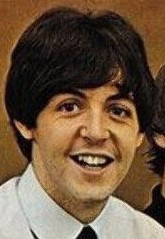 "People would later say to me, 'Do you believe in magic?'", Paul related in his "McCartney 3,2,1" documentary. "I'd say, 'Well, I have to!' You know, I mean, how did that happen? I'm sleeping (snore, da, da, da, da, da, da...Oh I love this song), wake up! Now the difference is, I remembered it. I think a lot of people hear beautiful music in their dreams but they do not necessarily remember them.” "People would later say to me, 'Do you believe in magic?'", Paul related in his "McCartney 3,2,1" documentary. "I'd say, 'Well, I have to!' You know, I mean, how did that happen? I'm sleeping (snore, da, da, da, da, da, da...Oh I love this song), wake up! Now the difference is, I remembered it. I think a lot of people hear beautiful music in their dreams but they do not necessarily remember them.”
 British EP
|
Recording History
 June 14th, 1965 turned out to be "Paul McCartney" day in the recording studio. The Beatles were in EMI Studio Two from 2:30 to 5:30 pm recording two McCartney songs in their entirety, namely “I’ve Just Seen A Face” and the rock and roll screamer called "I'm Down.” After an hour-and-a-half break, they returned at 7 pm for another three hour session, the only recording being accomplished during this session being two simple takes of a ballad titled “Yesterday” by only McCartney on acoustic guitar and vocals. June 14th, 1965 turned out to be "Paul McCartney" day in the recording studio. The Beatles were in EMI Studio Two from 2:30 to 5:30 pm recording two McCartney songs in their entirety, namely “I’ve Just Seen A Face” and the rock and roll screamer called "I'm Down.” After an hour-and-a-half break, they returned at 7 pm for another three hour session, the only recording being accomplished during this session being two simple takes of a ballad titled “Yesterday” by only McCartney on acoustic guitar and vocals.
 “I brought the song into the studio for the first time and played it on the guitar,” Paul said, “but soon Ringo said, ‘I can’t really put any drums on - it wouldn’t make sense.’ John and George said, ‘There is no point in having another guitar.’ So George Martin suggested, ‘Why don’t you just try it by yourself and see how it works?’ I looked at all of the others: ‘Oops. Do you mean a solo record?’ They said, ‘Yeah, it doesn’t matter, there is nothing we can add to it – do it.’” “I brought the song into the studio for the first time and played it on the guitar,” Paul said, “but soon Ringo said, ‘I can’t really put any drums on - it wouldn’t make sense.’ John and George said, ‘There is no point in having another guitar.’ So George Martin suggested, ‘Why don’t you just try it by yourself and see how it works?’ I looked at all of the others: ‘Oops. Do you mean a solo record?’ They said, ‘Yeah, it doesn’t matter, there is nothing we can add to it – do it.’”
 This decision may possibly not have materialized until after Paul's first acoustic take was recorded. Just before "take one," which has been included on “Anthology 2,” we clearly hear George Harrison repeatedly ask Paul “what key is it in?” Paul then quickly instructs him in the basic chord sequence before jumping right into "take one" as George Martin suggested. It is possible that the verdict was still out as to whether the other Beatles, or maybe just George Harrison, would be included in the finished recording. “We didn’t have much time to work out an arrangement,” Harrison recalled, this being nearly the last session booked to finish the “Help!” album. In any event, the matter was dropped shortly thereafter. This decision may possibly not have materialized until after Paul's first acoustic take was recorded. Just before "take one," which has been included on “Anthology 2,” we clearly hear George Harrison repeatedly ask Paul “what key is it in?” Paul then quickly instructs him in the basic chord sequence before jumping right into "take one" as George Martin suggested. It is possible that the verdict was still out as to whether the other Beatles, or maybe just George Harrison, would be included in the finished recording. “We didn’t have much time to work out an arrangement,” Harrison recalled, this being nearly the last session booked to finish the “Help!” album. In any event, the matter was dropped shortly thereafter.
 In his book "The Lyrics," Paul related: "Another thing that happened around this time is that we realized the song would sound better in the key of F. But I'd written it in G. You can get used to playing a song with certain chords, and if you try to play them differently on a guitar, you have to relearn the song, which can alter the way the song sounds. If you want to go higher, you can use a little device called a capo. But if you want to go lower, it's not always so easy; you can run out of room. So, what we did here was to detune the guitar by a whole tone. This means that when you play the note G, what actually sounds is the note F. These kinds of different tunings are quite common now, but tuning all six strings down a whole tone was a new trick back then, and it meant I could play the guitar the way I'd written the song, but in the key that we thought sounded best." This is why, when George asked "what key is it in?" during the recording of "take one" on June 14th, 1965, Paul answered, "It'll be in F for you." In his book "The Lyrics," Paul related: "Another thing that happened around this time is that we realized the song would sound better in the key of F. But I'd written it in G. You can get used to playing a song with certain chords, and if you try to play them differently on a guitar, you have to relearn the song, which can alter the way the song sounds. If you want to go higher, you can use a little device called a capo. But if you want to go lower, it's not always so easy; you can run out of room. So, what we did here was to detune the guitar by a whole tone. This means that when you play the note G, what actually sounds is the note F. These kinds of different tunings are quite common now, but tuning all six strings down a whole tone was a new trick back then, and it meant I could play the guitar the way I'd written the song, but in the key that we thought sounded best." This is why, when George asked "what key is it in?" during the recording of "take one" on June 14th, 1965, Paul answered, "It'll be in F for you."
 "Take one" is interesting due to Paul's somewhat lackadaisical approach in the recording. His awkward rhythmic chording in the intro was dropped after the first few measures, replaced by what we’re used to hearing in the final product. He transposes a couple of lines in verse two, namely “there’s a shadow hanging over me” and “I’m not half the man I used to be.” Realizing he had done this, a slight chuckle can be detected. Also, Paul ends the first bridge with descending notes (“long for yesterday-ay-ay-ay”) and, when he gets to the second bridge, he reluctantly repeated the process with a hesitancy that suggests he knows he should not do it both times. This take is a little rough but still beautifully performed. "Take one" is interesting due to Paul's somewhat lackadaisical approach in the recording. His awkward rhythmic chording in the intro was dropped after the first few measures, replaced by what we’re used to hearing in the final product. He transposes a couple of lines in verse two, namely “there’s a shadow hanging over me” and “I’m not half the man I used to be.” Realizing he had done this, a slight chuckle can be detected. Also, Paul ends the first bridge with descending notes (“long for yesterday-ay-ay-ay”) and, when he gets to the second bridge, he reluctantly repeated the process with a hesitancy that suggests he knows he should not do it both times. This take is a little rough but still beautifully performed.
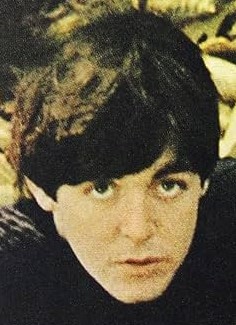 Now that Paul had gotten his bearings, "take two" was done far more professionally. His proficiently straightforward rhythmic chording is heard right from the start and he sings the familiar order of lyrics in the second verse this time. Paul holds out the last syllable of “yesterday” at the end of the first bridge, saving the descending notes for the second bridge. Two takes were all that were needed. Now that Paul had gotten his bearings, "take two" was done far more professionally. His proficiently straightforward rhythmic chording is heard right from the start and he sings the familiar order of lyrics in the second verse this time. Paul holds out the last syllable of “yesterday” at the end of the first bridge, saving the descending notes for the second bridge. Two takes were all that were needed.
 The next order of business for the rest of their evening session that day was to decide what else could be done to this song. George Martin recalled how Paul “sat on a high stool with his acoustic guitar and sang ‘Yesterday.’ That was the master to begin with. Then I stated, ‘Well, what can we do with it?’” Several different approaches were suggested and possibly tried out, reportedly even adding Lennon on organ. George Martin then told Paul, “’The only thing I can think of is adding strings, but I know what you'd think about that.’ Paul related, ‘I don’t want Mantovani.’ I said, ‘What about a very small number of string players, a quartet?’ He thought that was interesting.” The next order of business for the rest of their evening session that day was to decide what else could be done to this song. George Martin recalled how Paul “sat on a high stool with his acoustic guitar and sang ‘Yesterday.’ That was the master to begin with. Then I stated, ‘Well, what can we do with it?’” Several different approaches were suggested and possibly tried out, reportedly even adding Lennon on organ. George Martin then told Paul, “’The only thing I can think of is adding strings, but I know what you'd think about that.’ Paul related, ‘I don’t want Mantovani.’ I said, ‘What about a very small number of string players, a quartet?’ He thought that was interesting.”
 Paul begged to differ. “George Martin had the idea to put the string quartet on it and I said, ‘No, I don’t think so.’ He stated, ‘I have really got a feeling for it. I can hear it working.’ I said, ‘’Are you kidding? This is a rock group!’ I hated the idea. He cleverly said, ‘Let’s try it,’ and I thought, that’s fair enough. ‘If we hate it,’ he said, ‘we can take it off. We’ll just go back; it’s very nice just with the solo guitar and your voice…Look, why don’t you come to my house tomorrow? I’ve got a piano, and I’ve got the manuscript paper. We will sit down for an hour or so and you can let me know what you are looking for.” With that decided, their recording session was over for the night. Paul begged to differ. “George Martin had the idea to put the string quartet on it and I said, ‘No, I don’t think so.’ He stated, ‘I have really got a feeling for it. I can hear it working.’ I said, ‘’Are you kidding? This is a rock group!’ I hated the idea. He cleverly said, ‘Let’s try it,’ and I thought, that’s fair enough. ‘If we hate it,’ he said, ‘we can take it off. We’ll just go back; it’s very nice just with the solo guitar and your voice…Look, why don’t you come to my house tomorrow? I’ve got a piano, and I’ve got the manuscript paper. We will sit down for an hour or so and you can let me know what you are looking for.” With that decided, their recording session was over for the night.
 The next day, June 15th, 1965, Paul met up with George Martin at his place as he suggested. As McCartney recalled: “We would sit down and it would be quite straightforward because I’d have a good idea of how I would want to voice it. Or George would show me possibilities: very wide apart or very grungy and very close, and so we would choose. He would say, ‘This is the way to do the harmony, technically.’ I’d often try to go against that. I would think, ‘Well, why should there be a proper way to do it?’" Shortly before his passing, George Martin commented about the score that he wrote for the song: "If you look at that 'Yesterday' score, it's pretty naive, but it does work...I hadn't been, kind of, over-educated in music, and so that I had a naivity as well...It's very, very simple writing, but it couldn't be anything else. If it were, it would destroy what the point of the song is, which is utter simplicity. I did this in an afternoon. I had it in my mind what I wanted to do, and it's just straightforward." The next day, June 15th, 1965, Paul met up with George Martin at his place as he suggested. As McCartney recalled: “We would sit down and it would be quite straightforward because I’d have a good idea of how I would want to voice it. Or George would show me possibilities: very wide apart or very grungy and very close, and so we would choose. He would say, ‘This is the way to do the harmony, technically.’ I’d often try to go against that. I would think, ‘Well, why should there be a proper way to do it?’" Shortly before his passing, George Martin commented about the score that he wrote for the song: "If you look at that 'Yesterday' score, it's pretty naive, but it does work...I hadn't been, kind of, over-educated in music, and so that I had a naivity as well...It's very, very simple writing, but it couldn't be anything else. If it were, it would destroy what the point of the song is, which is utter simplicity. I did this in an afternoon. I had it in my mind what I wanted to do, and it's just straightforward."
 "George Martin was a huge help inasmuch as he can write it," Paul remembered in his Hulu "McCartney 3,2,1" documentary. "Normally you've got a song and you'll have to get an outside arranger in. Then he sort of goes off in a cupboard somewhere and you don't quite know what it's gonna be. But with George, you knew that we'd read each other well enough." In his book "The Lyrics," Paul described George Martin as a person "who had now been our producer for a few years and, even though he was not yet forty at this point, was someone we trusted and looked up to." "George Martin was a huge help inasmuch as he can write it," Paul remembered in his Hulu "McCartney 3,2,1" documentary. "Normally you've got a song and you'll have to get an outside arranger in. Then he sort of goes off in a cupboard somewhere and you don't quite know what it's gonna be. But with George, you knew that we'd read each other well enough." In his book "The Lyrics," Paul described George Martin as a person "who had now been our producer for a few years and, even though he was not yet forty at this point, was someone we trusted and looked up to."
 In his book "Many Years From Now," Paul remembered: "There was just one point in it where I said, ‘Could the cello now play a slightly bluesy thing, out of the genre, out of keeping with the rest of the voicing?’ George said, ‘(Johann Sebastian) Bach certainly wouldn’t have done that, Paul, ha ha ha.’ I said, ‘Great!’ That's what we often used to do, try and claim our one little moment. I mean, obviously this was my song, my chords, my everything really, but because the voicing now had become Bach’s, I would need something of mine again to redress the balance. So I put a 7th in, which was unheard of. It’s what we used to call a blue note, and that became a little bit well known. It’s one of the unusual things in that arrangement.” In his book "Many Years From Now," Paul remembered: "There was just one point in it where I said, ‘Could the cello now play a slightly bluesy thing, out of the genre, out of keeping with the rest of the voicing?’ George said, ‘(Johann Sebastian) Bach certainly wouldn’t have done that, Paul, ha ha ha.’ I said, ‘Great!’ That's what we often used to do, try and claim our one little moment. I mean, obviously this was my song, my chords, my everything really, but because the voicing now had become Bach’s, I would need something of mine again to redress the balance. So I put a 7th in, which was unheard of. It’s what we used to call a blue note, and that became a little bit well known. It’s one of the unusual things in that arrangement.”
 Concerning this “blue note,” which can be heard after the words “she wouldn’t say” in the second bridge, George Martin commented: "John listened to (the finished song), and there was a particular bit where the cello moves into a bluesy note which Lennon thought was terrific, so it was applauded." In his 1987 Joe Smith interview, Paul stated, "People such as Andy Williams, coming from the 'correct school,' as it were, would say, 'Oh the voicing's all wrong on the violins,' which listening to it now, it is. It was kind of - it's a strange voicing on that record. But to us at the time it was this musical respecibility that we knew we had because we were based in that." Concerning this “blue note,” which can be heard after the words “she wouldn’t say” in the second bridge, George Martin commented: "John listened to (the finished song), and there was a particular bit where the cello moves into a bluesy note which Lennon thought was terrific, so it was applauded." In his 1987 Joe Smith interview, Paul stated, "People such as Andy Williams, coming from the 'correct school,' as it were, would say, 'Oh the voicing's all wrong on the violins,' which listening to it now, it is. It was kind of - it's a strange voicing on that record. But to us at the time it was this musical respecibility that we knew we had because we were based in that."
 In his book "The Lyrics," Paul remembered how they almost went another route with the sessions for "Yesterday." "It was almost recorded as an electronic avant-garde song. When we were trying to work out how to record it, I was very intrigued by the work of Delia Derbyshire. She was a pioneer of electronic music who worked for the BBC Radiophonic Workshop and was known for her contribution to the 'Doctor Who' theme music. George Martin had done some work with the Radiophonic Workshop a few years before and had actually put out their first commercial release with the song 'Time Beat' under the pseudonym Ray Cathode. I went to see Delia and she took me to a hut she had in the garden, a sort of laboratory. And we talked about how she worked, but in the end we went with George (Martin)'s arrangement (as shown below)." In his book "The Lyrics," Paul remembered how they almost went another route with the sessions for "Yesterday." "It was almost recorded as an electronic avant-garde song. When we were trying to work out how to record it, I was very intrigued by the work of Delia Derbyshire. She was a pioneer of electronic music who worked for the BBC Radiophonic Workshop and was known for her contribution to the 'Doctor Who' theme music. George Martin had done some work with the Radiophonic Workshop a few years before and had actually put out their first commercial release with the song 'Time Beat' under the pseudonym Ray Cathode. I went to see Delia and she took me to a hut she had in the garden, a sort of laboratory. And we talked about how she worked, but in the end we went with George (Martin)'s arrangement (as shown below)."
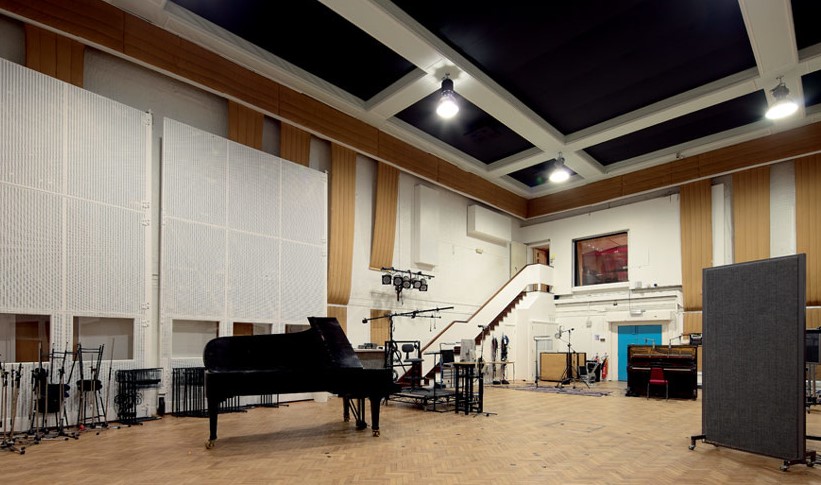 Then on June 17th, 1965, a 2 to 4 pm recording session was held in EMI Studio Two for recording the string quartet on top of the acoustic guitar performance of “Yesterday.” "I loved the session," Paul related in his 2021 "McCartney 3,2,1" documentary. "It was just me with George (Martin) up in the control room. We'd go down to meet the string players, the quartet, and I was really excited because we've never done anything like it and we suddenly feel whole." Paul also had some say in how these musicians were to play. George Martin explained: “He insisted, ‘No vibrato, I do not want any vibrato!’ If you are a good violin player it is very difficult to play without vibrato. Paul told the musicians he wanted it pure. But although they did cut down the vibrato they couldn’t do it pure because they would have sounded like schoolboys. I think that Paul realized in later years that what he got was right.” Then on June 17th, 1965, a 2 to 4 pm recording session was held in EMI Studio Two for recording the string quartet on top of the acoustic guitar performance of “Yesterday.” "I loved the session," Paul related in his 2021 "McCartney 3,2,1" documentary. "It was just me with George (Martin) up in the control room. We'd go down to meet the string players, the quartet, and I was really excited because we've never done anything like it and we suddenly feel whole." Paul also had some say in how these musicians were to play. George Martin explained: “He insisted, ‘No vibrato, I do not want any vibrato!’ If you are a good violin player it is very difficult to play without vibrato. Paul told the musicians he wanted it pure. But although they did cut down the vibrato they couldn’t do it pure because they would have sounded like schoolboys. I think that Paul realized in later years that what he got was right.”
 These musicians were Tony Gilbert (first violin), Sidney Sax (on second violin), Francisco Gabarro (on cello) and Kenneth Essex (viola). “George (Martin) was very good that way,” Paul related. “He got a very good, competent quartet, and they performed and I really liked the result, I thought it was smashing.” In fact, Paul ran into Francisco Gabarro a week later in the EMI canteen and thought to commend him. Francisco Gabarro recalled, “He came up to me and said, ‘We have a winner with that ‘Yesterday.’ I said, well, good luck! Congratulations!” These musicians were Tony Gilbert (first violin), Sidney Sax (on second violin), Francisco Gabarro (on cello) and Kenneth Essex (viola). “George (Martin) was very good that way,” Paul related. “He got a very good, competent quartet, and they performed and I really liked the result, I thought it was smashing.” In fact, Paul ran into Francisco Gabarro a week later in the EMI canteen and thought to commend him. Francisco Gabarro recalled, “He came up to me and said, ‘We have a winner with that ‘Yesterday.’ I said, well, good luck! Congratulations!”
 One last overdub needed to be added, and this was to double-track Paul’s vocals during the end of the first bridge for the purpose of extending his closing high note on “yester-dayyyyy.” The double-tracking starts on the words “something wrong” and then goes on to complete this bridge. (While George Martin insisted that no double-tracking was utilzed on the song and that the effect heard was due to Paul’s vocals being piped in for the quartet to hear during the recording, it’s obvious from listening that there are two distinct vocal tracks on top of each other at this point. Also, since both vocal tracks are heard together in the center of both stereo mixes and not just on the left channel where the quartet is panned, this indicates that the two voices weren’t the result of bleed-through from the studio monitor as is claimed.) With the song then complete, and after the string quartet had gone, The Beatles commenced recording Ringo’s contribution to the album, namely “Act Naturally.” One last overdub needed to be added, and this was to double-track Paul’s vocals during the end of the first bridge for the purpose of extending his closing high note on “yester-dayyyyy.” The double-tracking starts on the words “something wrong” and then goes on to complete this bridge. (While George Martin insisted that no double-tracking was utilzed on the song and that the effect heard was due to Paul’s vocals being piped in for the quartet to hear during the recording, it’s obvious from listening that there are two distinct vocal tracks on top of each other at this point. Also, since both vocal tracks are heard together in the center of both stereo mixes and not just on the left channel where the quartet is panned, this indicates that the two voices weren’t the result of bleed-through from the studio monitor as is claimed.) With the song then complete, and after the string quartet had gone, The Beatles commenced recording Ringo’s contribution to the album, namely “Act Naturally.”
 Two mono mixes were created at the end of this session (June 17th, 1965) in the control room of EMI Studio Two by George Martin and engineers Norman Smith and Phil McDonald. The second mix was the one released, which is unique in a couple of ways. First, the overdubbed vocals in the first bridge have a noticeable amount of extra reverb applied, which stands out in comparison to the rest of the vocals that are almost devoid of any reverb whatsoever. Also, the quartet does not fade out at the end, so we can hear the full release of the violins as the final moment of the song. Two mono mixes were created at the end of this session (June 17th, 1965) in the control room of EMI Studio Two by George Martin and engineers Norman Smith and Phil McDonald. The second mix was the one released, which is unique in a couple of ways. First, the overdubbed vocals in the first bridge have a noticeable amount of extra reverb applied, which stands out in comparison to the rest of the vocals that are almost devoid of any reverb whatsoever. Also, the quartet does not fade out at the end, so we can hear the full release of the violins as the final moment of the song.
 The first stereo mix of “Yesterday” was made on June 18th, 1965 in the control room of EMI Studio Two by the same EMI staff members of George Martin, Norman Smith and Phil McDonald. Paul’s vocals were centered in this mix, the guitar is mostly panned to the right channel, and the strings are panned mostly to the left channel. Unique features of this stereo mix include hearing a faint squeak from a violinist in the first verse just following the words “I believe.” Also, the overdubbed vocal in the first bridge has minimal reverb just as the main vocal has. A fret noise from the acoustic guitar can be heard in the right channel just before the words “now I need a place,” this being witnessed quietly in nearly all of the song's released mixes. Also, the strings are now faded out at the end just before their actual conclusion. The first stereo mix of “Yesterday” was made on June 18th, 1965 in the control room of EMI Studio Two by the same EMI staff members of George Martin, Norman Smith and Phil McDonald. Paul’s vocals were centered in this mix, the guitar is mostly panned to the right channel, and the strings are panned mostly to the left channel. Unique features of this stereo mix include hearing a faint squeak from a violinist in the first verse just following the words “I believe.” Also, the overdubbed vocal in the first bridge has minimal reverb just as the main vocal has. A fret noise from the acoustic guitar can be heard in the right channel just before the words “now I need a place,” this being witnessed quietly in nearly all of the song's released mixes. Also, the strings are now faded out at the end just before their actual conclusion.
A second stereo mix was made by George Martin in 1986 in preparation for the first compact disc release of the British “Help!” album. The difference from the original stereo mix is negligible but still includes the faint violin squeak in the introduction, which could have easily been omitted because the quartet had yet to start playing.
 The Beatles did record the song one further time at EMI Studios, but not as a serious attempt. On November 8th, 1965, just after they completed the recording of George's song “Think For Yourself” for their next album “Rubber Soul,” The Beatles recorded the funny “Third Christmas Record” in EMI Studio Two with George Martin, Norman Smith and 2nd engineer Ken Scott at the controls. From approximately 2 to 3 am (making this now November 9th, 1965), a very tired but slap-happy group gathered around a few microphones and, with Paul on acoustic guitar, performed a silly impromptu version of “Yesterday,” which more appropriately became “Christmas Day.” This humorous version, with all four Beatles singing (kind of), was released exclusively to members of their fan club in December of 1965. The Beatles did record the song one further time at EMI Studios, but not as a serious attempt. On November 8th, 1965, just after they completed the recording of George's song “Think For Yourself” for their next album “Rubber Soul,” The Beatles recorded the funny “Third Christmas Record” in EMI Studio Two with George Martin, Norman Smith and 2nd engineer Ken Scott at the controls. From approximately 2 to 3 am (making this now November 9th, 1965), a very tired but slap-happy group gathered around a few microphones and, with Paul on acoustic guitar, performed a silly impromptu version of “Yesterday,” which more appropriately became “Christmas Day.” This humorous version, with all four Beatles singing (kind of), was released exclusively to members of their fan club in December of 1965.
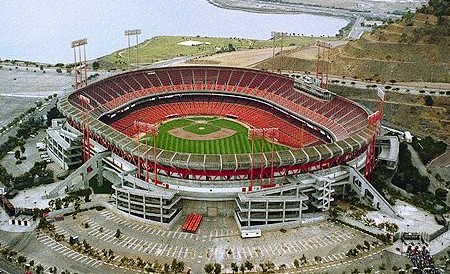 Interestingly, the band's last live performance on August 29th, 1966 at Candlestick Park included "Yesterday," introduced by Harrison as being included on the recently released US album "Yesterday...And Today." As detailed in Keith Badman's book "The Beatles Off The Record," press officer Tony Barrow explained that "there was a sort of end of term spirit thing going on. There was also this kind of feeling amongst all of us around The Beatles, that this might just be the last concert that they will ever do." Interestingly, the band's last live performance on August 29th, 1966 at Candlestick Park included "Yesterday," introduced by Harrison as being included on the recently released US album "Yesterday...And Today." As detailed in Keith Badman's book "The Beatles Off The Record," press officer Tony Barrow explained that "there was a sort of end of term spirit thing going on. There was also this kind of feeling amongst all of us around The Beatles, that this might just be the last concert that they will ever do."
 Tony Barrow added: "I remember Paul, casually, at the very last minute, saying, 'Have you got your cassette recorder with you?' and I said, 'Yes, of course.' Paul then said, 'Tape it, will you? Tape the show,' which I did. I literally just held up the microphone in the middle of the field. As a personal souvenir of the occasion, it was a very nice thing to have." Even though Tony Barrow insisted that he only created one copy of the tape, which he had locked in a drawer in his office in London, and handed the original to McCartney, this recording has been available on bootleg releases throughout the years. Tony Barrow added: "I remember Paul, casually, at the very last minute, saying, 'Have you got your cassette recorder with you?' and I said, 'Yes, of course.' Paul then said, 'Tape it, will you? Tape the show,' which I did. I literally just held up the microphone in the middle of the field. As a personal souvenir of the occasion, it was a very nice thing to have." Even though Tony Barrow insisted that he only created one copy of the tape, which he had locked in a drawer in his office in London, and handed the original to McCartney, this recording has been available on bootleg releases throughout the years.
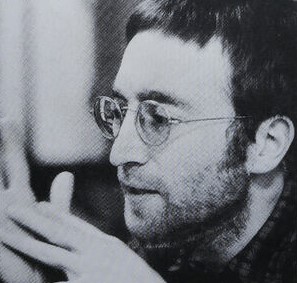 An interesting but unverified version of “Yesterday” sung by John has surfaced on bootlegs, reportedly done during Lennon's 31st birthday party on October 9th, 1971. This rough recording, featuring Lennon on acoustic guitar and various voices and percussion, depicts a combination of Paul's former collaborator poking fun at the song as well as his admiration for it. An interesting but unverified version of “Yesterday” sung by John has surfaced on bootlegs, reportedly done during Lennon's 31st birthday party on October 9th, 1971. This rough recording, featuring Lennon on acoustic guitar and various voices and percussion, depicts a combination of Paul's former collaborator poking fun at the song as well as his admiration for it.
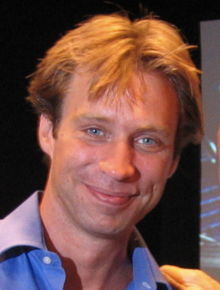 The actual master tape of "take two" was pulled out of the archives in the mid 2000’s by George Martin and his son Giles Martin to create an entirely new stereo mix of the song for the Cirque du Soleil show called “Beatles Love.” Not only did they think to tack on some instrumental bars of “Blackbird” at the beginning, but the end result was a flawless production that corrected all of the anomalies of the former stereo mixes. No more violin squeaking in the first verse and no more guitar fret noise in the final verse. The positioning of the elements were nearly identical however, except that both the acoustic guitar and the quartet were panned slightly more toward center. The actual master tape of "take two" was pulled out of the archives in the mid 2000’s by George Martin and his son Giles Martin to create an entirely new stereo mix of the song for the Cirque du Soleil show called “Beatles Love.” Not only did they think to tack on some instrumental bars of “Blackbird” at the beginning, but the end result was a flawless production that corrected all of the anomalies of the former stereo mixes. No more violin squeaking in the first verse and no more guitar fret noise in the final verse. The positioning of the elements were nearly identical however, except that both the acoustic guitar and the quartet were panned slightly more toward center.
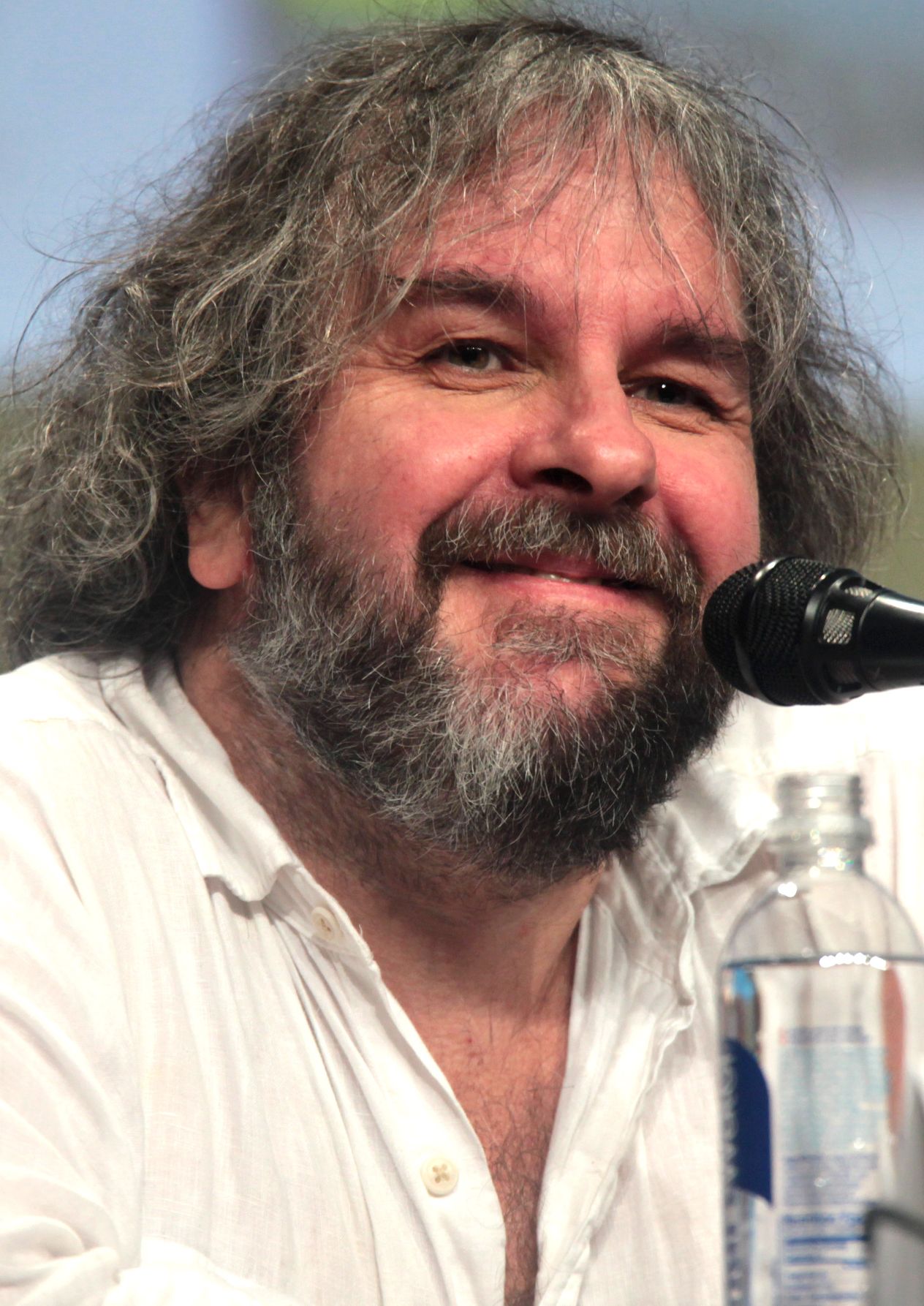 Sometime during 2015, Giles Martin revisited the original master tape again with Sam Okell in Abbey Road Studios to create yet another new stereo mix of "take two" to be included on a re-released version of the compilation album "Beatles 1" that came out that same year. Giles Martin did the same thing yet again during 2023 to create another new stereo mix of "Yesterday" using Peter Jackson's AI "new machine-learning technology," as described by liner notes author John Harris, for Apple's 50th Anniversary release of "The Beatles / 1962 - 1966" ("The Red Album"). With the cellos panned more to the right channel and the violins to the left, "Yesterday" never sounded better, not to mention containing the unfaded quartet ending as on the mono mix. Sometime during 2015, Giles Martin revisited the original master tape again with Sam Okell in Abbey Road Studios to create yet another new stereo mix of "take two" to be included on a re-released version of the compilation album "Beatles 1" that came out that same year. Giles Martin did the same thing yet again during 2023 to create another new stereo mix of "Yesterday" using Peter Jackson's AI "new machine-learning technology," as described by liner notes author John Harris, for Apple's 50th Anniversary release of "The Beatles / 1962 - 1966" ("The Red Album"). With the cellos panned more to the right channel and the violins to the left, "Yesterday" never sounded better, not to mention containing the unfaded quartet ending as on the mono mix.
 Not to be forgotten in a true “Recording History” of the song "Yesterday" are the live recordings done by Paul throughout the years. Sometime in May or June of 1976, Wings recorded a live version that appears on “Wings Over America.” On the Deluxe Edition Box Set of this album, a different live version of the song recorded on June 14th, 1976 at Cow Palace in Daly City, California is included on a bonus CD. On September 2nd, 1990, a live recording of the song was recorded for his “Tripping The Live Fantastic” album. Sometime in April or May of 2002, the song was recorded for his album “Back In The US” And finally, during his performances at New York City’s “Citi Field” between July 15th and 22nd, he recorded a version for his “Good Evening New York City” album. Not to be forgotten in a true “Recording History” of the song "Yesterday" are the live recordings done by Paul throughout the years. Sometime in May or June of 1976, Wings recorded a live version that appears on “Wings Over America.” On the Deluxe Edition Box Set of this album, a different live version of the song recorded on June 14th, 1976 at Cow Palace in Daly City, California is included on a bonus CD. On September 2nd, 1990, a live recording of the song was recorded for his “Tripping The Live Fantastic” album. Sometime in April or May of 2002, the song was recorded for his album “Back In The US” And finally, during his performances at New York City’s “Citi Field” between July 15th and 22nd, he recorded a version for his “Good Evening New York City” album.
Song Structure and Style
As for the structure for "Yesterday," the typical Beatles format of ‘verse/ verse/ bridge/ verse/ bridge/ verse’ (or aababa) is utilized with a brief introduction and conclusion thrown in. While that sounds usual and a bit boring at this stage of The Beatles' game, the style of the song is anything but usual or boring.
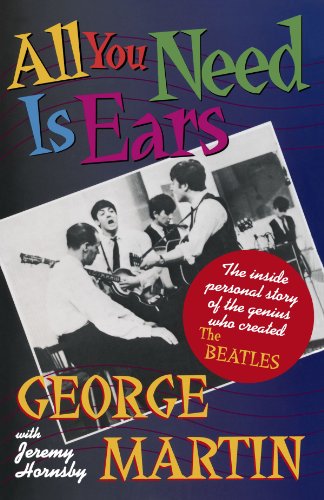 The intricate nuances McCartney had already worked into the arrangement, as witnessed on his acoustic guitar track, were no doubt a big part of what inspired George Martin to suggest strings for the song, remarking, “I’ve really got a feeling for it. I can hear it working.” In his 1979 book “All You Need Is Ears,” George Martin explained: “The turning point probably came with ‘Yesterday’...That was when, as I see in retrospect, I started to leave my hallmark on the music, when a style started to emerge which was partly of my making. It was on ‘Yesterday’ that I started to score their music…The added ingredient was no more nor less than a string quartet; and that, in the pop world of those days, was quite a step to take.” The intricate nuances McCartney had already worked into the arrangement, as witnessed on his acoustic guitar track, were no doubt a big part of what inspired George Martin to suggest strings for the song, remarking, “I’ve really got a feeling for it. I can hear it working.” In his 1979 book “All You Need Is Ears,” George Martin explained: “The turning point probably came with ‘Yesterday’...That was when, as I see in retrospect, I started to leave my hallmark on the music, when a style started to emerge which was partly of my making. It was on ‘Yesterday’ that I started to score their music…The added ingredient was no more nor less than a string quartet; and that, in the pop world of those days, was quite a step to take.”
 A simple two-measure introduction of Paul's vamping acoustic guitar sets the stage, thumping on the bass notes on the one- and three- beats of both measures. This anticipatory intro gives you the sneaky suspicion that something extraordinary was about to happen which, if you can possibly remember the first time you heard the song, doesn’t fail to satisfy. A simple two-measure introduction of Paul's vamping acoustic guitar sets the stage, thumping on the bass notes on the one- and three- beats of both measures. This anticipatory intro gives you the sneaky suspicion that something extraordinary was about to happen which, if you can possibly remember the first time you heard the song, doesn’t fail to satisfy.
 The verses are an unusual seven measures long but, because of Paul's rhythmic phrasing displayed here, it doesn’t come across as awkward in the least. The thumping bass notes from Paul’s acoustic guitar are deliberate in their strategic placements, showing that he was well rehearsed beforehand. Paul even fits the final word with a planned syncopated beat (“yes-ter-day”) which breaks the rhythmic pattern found in the rest of the verse. The overall effect, lyrically as well as musically, was stunning – a depiction of absolute loneliness as a result of an illusionary romance. The verses are an unusual seven measures long but, because of Paul's rhythmic phrasing displayed here, it doesn’t come across as awkward in the least. The thumping bass notes from Paul’s acoustic guitar are deliberate in their strategic placements, showing that he was well rehearsed beforehand. Paul even fits the final word with a planned syncopated beat (“yes-ter-day”) which breaks the rhythmic pattern found in the rest of the verse. The overall effect, lyrically as well as musically, was stunning – a depiction of absolute loneliness as a result of an illusionary romance.
 And coincidentally (or maybe not), the second seven-measure verse begins with the word “suddenly” just as we suddenly hear the string quartet emerge to add a deeper sense of heartache to the already dour landscape. The instrumentalists stay relatively within the parameters of the chords with one notable exception being their subtle melody line that dances around a harmony with Paul’s lyric “yesterday came suddenly.” And coincidentally (or maybe not), the second seven-measure verse begins with the word “suddenly” just as we suddenly hear the string quartet emerge to add a deeper sense of heartache to the already dour landscape. The instrumentalists stay relatively within the parameters of the chords with one notable exception being their subtle melody line that dances around a harmony with Paul’s lyric “yesterday came suddenly.”
 The first eight measure bridge occurs next, a notable feature being Paul’s strategic falling bass notes while his vocal melody line rises on the words “had to go,” the quartet allowing his finesse to be the focal point. This occurs again as the double-tracked vocal comes in on Paul's lyric “something wrong,” followed by a descending viola phrase in the final measure. George Martin purposely wrote this viola line into the score to mimic what we would soon hear Paul sing in the previously recorded second bridge. The first eight measure bridge occurs next, a notable feature being Paul’s strategic falling bass notes while his vocal melody line rises on the words “had to go,” the quartet allowing his finesse to be the focal point. This occurs again as the double-tracked vocal comes in on Paul's lyric “something wrong,” followed by a descending viola phrase in the final measure. George Martin purposely wrote this viola line into the score to mimic what we would soon hear Paul sing in the previously recorded second bridge.
A third verse is then heard, which is totally identical in structure except for a new set of lyrics. The quartet played nearly the same arrangement as in the second verse. The repeat of the bridge, however, revealed some interesting building in the score, a violin harmony to Paul’s lyric “had to go, I don’t know…” standing out as a classy touch. This was quickly followed by the “blue note” insistently included by Paul as described above. The violin harmony continued through the remainder of the verse, which then ends with McCartney at center stage singing the descending line solo.
 The quartet pulls out all the stops during the repeat of the third verse. A violin holds a single high note for the first five measures while the viola joins in midway through the third measure to begin a subtle lower harmony to Paul’s vocal melody. A repeat of the final two measures acts as a conclusion for the song although Paul chooses to hum instead of sing. He eliminated the thumping bass notes and stuck to a few higher strings played in a falling pattern. The quartet followed McCartney down and punctuated the last two notes as it then faded away. History is made! The quartet pulls out all the stops during the repeat of the third verse. A violin holds a single high note for the first five measures while the viola joins in midway through the third measure to begin a subtle lower harmony to Paul’s vocal melody. A repeat of the final two measures acts as a conclusion for the song although Paul chooses to hum instead of sing. He eliminated the thumping bass notes and stuck to a few higher strings played in a falling pattern. The quartet followed McCartney down and punctuated the last two notes as it then faded away. History is made!
 John had some interesting commentary on the lyrics in 1980: “Paul wrote the lyrics to ‘Yesterday.’ Although the lyrics don't resolve into any sense, they’re good lines. They certainly work, y'know what I mean? They’re good, but if you read the whole song, it doesn’t say anything, you don’t know what happened. She left and he wishes it were yesterday – that much you get – but it doesn’t really resolve.” John had some interesting commentary on the lyrics in 1980: “Paul wrote the lyrics to ‘Yesterday.’ Although the lyrics don't resolve into any sense, they’re good lines. They certainly work, y'know what I mean? They’re good, but if you read the whole song, it doesn’t say anything, you don’t know what happened. She left and he wishes it were yesterday – that much you get – but it doesn’t really resolve.”
 The story may not be complete, but it appears to be the expression of the emotion that is the song’s intent. She left and caught him totally off guard, him thinking that “love was such an easy game to play,” a game that he had been winning. But because “she wouldn’t say” the reason for her leaving, he can only assume that he “said something wrong,” leaving him with feelings of regret. Rather than being proud, he now needs “a place to hide away,” being a loser at love. While the same sentiments have just recently been expressed in Paul’s “The Night Before” earlier in the year, this is hardly a re-write. You could more accurately say that the former song was a first draft at expressing this experience. The story may not be complete, but it appears to be the expression of the emotion that is the song’s intent. She left and caught him totally off guard, him thinking that “love was such an easy game to play,” a game that he had been winning. But because “she wouldn’t say” the reason for her leaving, he can only assume that he “said something wrong,” leaving him with feelings of regret. Rather than being proud, he now needs “a place to hide away,” being a loser at love. While the same sentiments have just recently been expressed in Paul’s “The Night Before” earlier in the year, this is hardly a re-write. You could more accurately say that the former song was a first draft at expressing this experience.
 In his 2021 book "The Lyrics," McCartney related: "Every time I come to the line 'I'm not half the man I used to be,' I remember I'd lost my mother about eight years before that. It's been suggested to me that this is a 'losing my mother' song, to which I've always said, 'No, I don't believe so.' But, you know, the more I think about it - 'Why she had to go I don't know, she wouldn't say' - I can see that that might have been a piece of the background, the unconsciousness behind this song after all. It was so strange that the loss of our mother to cancer was simply not discussed. We barely knew what cancer was, but I am now not surprised that the whole experience surfaced in this song where sweetness competes with a pain you can't quite descibe." In his 2021 book "The Lyrics," McCartney related: "Every time I come to the line 'I'm not half the man I used to be,' I remember I'd lost my mother about eight years before that. It's been suggested to me that this is a 'losing my mother' song, to which I've always said, 'No, I don't believe so.' But, you know, the more I think about it - 'Why she had to go I don't know, she wouldn't say' - I can see that that might have been a piece of the background, the unconsciousness behind this song after all. It was so strange that the loss of our mother to cancer was simply not discussed. We barely knew what cancer was, but I am now not surprised that the whole experience surfaced in this song where sweetness competes with a pain you can't quite descibe."
 Paul continued: "A while back, someone asked me whether I relate differently to my songs as I grow older. A recording doesn't change, but of course we continue to age and grow, and as you get older, your relationship to a song can grow too. When I wrote 'Yesterday,' I had just moved to London from Liverpool, and I was starting to see a new world of possiblities open up before me. However, all my yesterdays covered a pretty small period at that point. Now the song seems even more significant - yes, more poignant - because of the time that has passed by since I wrote it. I must admit, that is an aspect of writing songs and playing music that I really like." Paul continued: "A while back, someone asked me whether I relate differently to my songs as I grow older. A recording doesn't change, but of course we continue to age and grow, and as you get older, your relationship to a song can grow too. When I wrote 'Yesterday,' I had just moved to London from Liverpool, and I was starting to see a new world of possiblities open up before me. However, all my yesterdays covered a pretty small period at that point. Now the song seems even more significant - yes, more poignant - because of the time that has passed by since I wrote it. I must admit, that is an aspect of writing songs and playing music that I really like."
 The simplistic depiction in McCartney's lyrics is found to be totally suitable to this beautiful piece of music, no doubt becoming a template for love songs to this day. Right down to beginning and ending every verse with the same word, whether it was the word “yesterday” or “suddenly,” this intricate complexity was perfected by the song's composer. Nearly perfected, anyway. Call me a stickler but, in the narrative, since Paul was still with his girl 24 hours ago, shouldn’t the lyric read “today came suddenly” instead of “yesterday came suddenly”? :-) The simplistic depiction in McCartney's lyrics is found to be totally suitable to this beautiful piece of music, no doubt becoming a template for love songs to this day. Right down to beginning and ending every verse with the same word, whether it was the word “yesterday” or “suddenly,” this intricate complexity was perfected by the song's composer. Nearly perfected, anyway. Call me a stickler but, in the narrative, since Paul was still with his girl 24 hours ago, shouldn’t the lyric read “today came suddenly” instead of “yesterday came suddenly”? :-)
American Releases
 "The (British) record label wanted to release it as a single," Paul recalled about the song "Yesterday" in his book "The Lyrics." "We would not let them do it in the UK, since we were a rock and roll band, but we let them get away with it in the US because we didn't live there." Capitol Records released "Yesterday" as its 11th American Beatles single on September 13th, 1965, one day after the song was aired on the season debut of “The Ed Sullivan Show” on September 12th, 1965. While the television studio audience reaction was rather quiet and somewhat shocked, fans were aware of what this song was when they saw the single in their favorite record shops the following day. And they purchased it as well, the record topping the US Billboard Hot 100 for four straight weeks and selling a million copies. (As a sidenote, the song "Yesterday" did become a Top Ten British hit in 1965, but this was by singer Matt Monro, his cover version of the song peaking at #8 in the UK on November 4th of that year.) "The (British) record label wanted to release it as a single," Paul recalled about the song "Yesterday" in his book "The Lyrics." "We would not let them do it in the UK, since we were a rock and roll band, but we let them get away with it in the US because we didn't live there." Capitol Records released "Yesterday" as its 11th American Beatles single on September 13th, 1965, one day after the song was aired on the season debut of “The Ed Sullivan Show” on September 12th, 1965. While the television studio audience reaction was rather quiet and somewhat shocked, fans were aware of what this song was when they saw the single in their favorite record shops the following day. And they purchased it as well, the record topping the US Billboard Hot 100 for four straight weeks and selling a million copies. (As a sidenote, the song "Yesterday" did become a Top Ten British hit in 1965, but this was by singer Matt Monro, his cover version of the song peaking at #8 in the UK on November 4th of that year.)
 Capitol was smart enough to single this track out from the British “Help!” album for release as their next hit, but maybe they were not as astute as we might think. The other side of this single was “Act Naturally,” which also got its first exposure on the identical “Ed Sullivan Show” the day before. Full page ads that Capitol ran in Billboard magazine to promote the next single highlight “Act Naturally” before “Yesterday.” "Ringo Starr sings solo! Paul McCartney sings solo!", the ads read, "Watch both numbers performed in person by Ringo and Paul on the Ed Sullivan Show, September 12. Stock up and see!" What Beatles' fans "saw" was that Paul's “Yesterday” made a much bigger splash than Ringo's “Act Naturally,” which it appears they obviously were hedging their bets on being the next big hit. Added proof of this is the fact that Capitol assigned a lower suffix number for "Act Naturally" than for "Yesterday," their usual indication of identifying which song they were primarily focusing on with single releases. And because "Yesterday" was given a lower suffix number by Capitol, it appeared on the sliced apple side when the single was released on the Apple label in the '70s. Capitol was smart enough to single this track out from the British “Help!” album for release as their next hit, but maybe they were not as astute as we might think. The other side of this single was “Act Naturally,” which also got its first exposure on the identical “Ed Sullivan Show” the day before. Full page ads that Capitol ran in Billboard magazine to promote the next single highlight “Act Naturally” before “Yesterday.” "Ringo Starr sings solo! Paul McCartney sings solo!", the ads read, "Watch both numbers performed in person by Ringo and Paul on the Ed Sullivan Show, September 12. Stock up and see!" What Beatles' fans "saw" was that Paul's “Yesterday” made a much bigger splash than Ringo's “Act Naturally,” which it appears they obviously were hedging their bets on being the next big hit. Added proof of this is the fact that Capitol assigned a lower suffix number for "Act Naturally" than for "Yesterday," their usual indication of identifying which song they were primarily focusing on with single releases. And because "Yesterday" was given a lower suffix number by Capitol, it appeared on the sliced apple side when the single was released on the Apple label in the '70s.
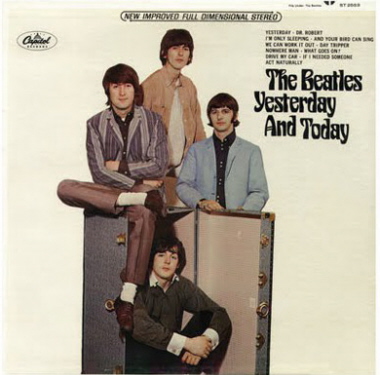 In fact, "Yesterday" was such a big hit that Capitol later decided to name their next make-shift Beatles LP after it. “Yesterday And Today” was released on June 20th, 1966, reaching the top spot after only four weeks on the US Billboard album chart and remaining there for five simultaneous weeks. "Yesterday And Today" was later released on January 21st, 2014 on compact disc, stereo and mono versions of the album both being included on the same disc. Incidentally, this release featured both the common "trunk" cover and the rare "butcher" cover. In fact, "Yesterday" was such a big hit that Capitol later decided to name their next make-shift Beatles LP after it. “Yesterday And Today” was released on June 20th, 1966, reaching the top spot after only four weeks on the US Billboard album chart and remaining there for five simultaneous weeks. "Yesterday And Today" was later released on January 21st, 2014 on compact disc, stereo and mono versions of the album both being included on the same disc. Incidentally, this release featured both the common "trunk" cover and the rare "butcher" cover.
 Sometime in 1967, Capitol released the band's music on a new but short-lived format called "Playtapes." These cartridges did not have the capability of including entire LPs, so the label released two four-song versions of "Yesterday And Today" in this new portable format, one of these featuring the song "Yesterday." These "Playtapes" are not easy to find and are highly collectible today. Sometime in 1967, Capitol released the band's music on a new but short-lived format called "Playtapes." These cartridges did not have the capability of including entire LPs, so the label released two four-song versions of "Yesterday And Today" in this new portable format, one of these featuring the song "Yesterday." These "Playtapes" are not easy to find and are highly collectible today.
 Sometime in the spring of 1971, the official Beatles Fan Club in America sent out a full-length Apple LP to all members of the fan club entitled "The Beatles' Christmas Album." This album contained all seven Christmas message discs distributed by The Beatles throughout their career, 1963 through 1969. Because the news that the group broke up was announced as of the spring of 1970, there was no need for a 1970 Christmas message to be recorded. This LP was the final record to be sent to their fans, the 1965 edition entitled "The Beatles Third Christmas Record" being included therein, which contained the silly version of "Yesterday" as described above. Its inclusion on this album was the first time US fans heard this recording since the original 1965 Christmas record never got sent to American fan club members that year. This highly collectible album has been bootleged extensively, so legitimate copies are very rare and very valuable. Sometime in the spring of 1971, the official Beatles Fan Club in America sent out a full-length Apple LP to all members of the fan club entitled "The Beatles' Christmas Album." This album contained all seven Christmas message discs distributed by The Beatles throughout their career, 1963 through 1969. Because the news that the group broke up was announced as of the spring of 1970, there was no need for a 1970 Christmas message to be recorded. This LP was the final record to be sent to their fans, the 1965 edition entitled "The Beatles Third Christmas Record" being included therein, which contained the silly version of "Yesterday" as described above. Its inclusion on this album was the first time US fans heard this recording since the original 1965 Christmas record never got sent to American fan club members that year. This highly collectible album has been bootleged extensively, so legitimate copies are very rare and very valuable.
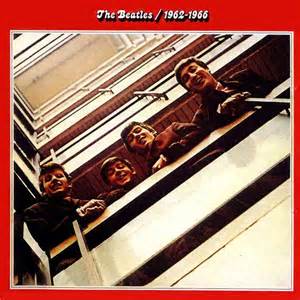 Two compilation albums of the '70s contained the song, the first being “The Beatles/1962-1966” (aka “The Red Album”) which had later become a standard “greatest hits” package for multiple decades despite the fact that it only peaked at #3 on the US Billboard albums chart at the time of its release back on April 2nd, 1973. With its companion album “The Beatles/1967-1970” at #1 at that exact time, I’m sure The Beatles’ feelings weren’t too hurt. “The Red Album” was released on compact disc on October 5th, 1993, substituting the new 1986 stereo mix of “Yesterday” for the 1965 stereo mix as heard on the vinyl release. The CD was remastered and re-released on October 19th, 2010, a remastered vinyl edition coming out on October 31st, 2014. Two compilation albums of the '70s contained the song, the first being “The Beatles/1962-1966” (aka “The Red Album”) which had later become a standard “greatest hits” package for multiple decades despite the fact that it only peaked at #3 on the US Billboard albums chart at the time of its release back on April 2nd, 1973. With its companion album “The Beatles/1967-1970” at #1 at that exact time, I’m sure The Beatles’ feelings weren’t too hurt. “The Red Album” was released on compact disc on October 5th, 1993, substituting the new 1986 stereo mix of “Yesterday” for the 1965 stereo mix as heard on the vinyl release. The CD was remastered and re-released on October 19th, 2010, a remastered vinyl edition coming out on October 31st, 2014.
 The second US compilation album of the decade to feature the song was “Love Songs,” this being an obvious choice for this two-LP set. In fact, "Yesterday" was the very first song on the album, which was released on October 21st, 1977 and reached #24 on the Billboard album chart. The second US compilation album of the decade to feature the song was “Love Songs,” this being an obvious choice for this two-LP set. In fact, "Yesterday" was the very first song on the album, which was released on October 21st, 1977 and reached #24 on the Billboard album chart.
 October 11th, 1982 saw yet another Capitol compilation album include the song, this being a single LP entitled “20 Greatest Hits.” The British version of this album did not contain the song because it hadn't reached as elevated of a status in their home country as it had in the US. Because this was a #1 hit single in America, "Yesterday" earned its rightful place in this collection in the states. Undoubtedly because of being in the beginnings of the MTV era, this LP only peaked at #50 on the US Billboard album chart. October 11th, 1982 saw yet another Capitol compilation album include the song, this being a single LP entitled “20 Greatest Hits.” The British version of this album did not contain the song because it hadn't reached as elevated of a status in their home country as it had in the US. Because this was a #1 hit single in America, "Yesterday" earned its rightful place in this collection in the states. Undoubtedly because of being in the beginnings of the MTV era, this LP only peaked at #50 on the US Billboard album chart.
 On December 6th, 1982, a vinyl box set called "The Beatles Singles Collection" was released worldwide that included a single version of "Yesterday" that was new to the US market. This song was not released as a single in Britain until February of 1976 where it peaked at #8 on in their home country with "I Should Have Known Better" as the b-side. Since this single was then considered an official Beatles release in the UK, it was included in this vinyl box set but was later omitted when it was released as a CD box set in 1992 and as a resissued vinyl box set in 2019. On December 6th, 1982, a vinyl box set called "The Beatles Singles Collection" was released worldwide that included a single version of "Yesterday" that was new to the US market. This song was not released as a single in Britain until February of 1976 where it peaked at #8 on in their home country with "I Should Have Known Better" as the b-side. Since this single was then considered an official Beatles release in the UK, it was included in this vinyl box set but was later omitted when it was released as a CD box set in 1992 and as a resissued vinyl box set in 2019.
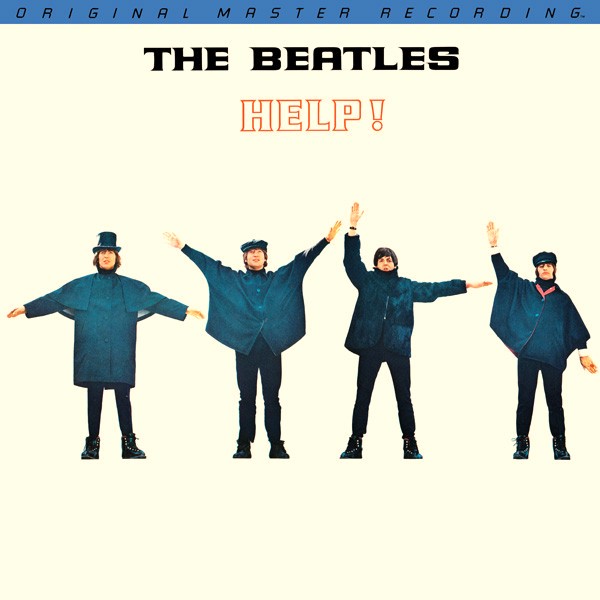 The first time the original British "Help!" album was made available in America was with the "Original Master Recording" vinyl edition released through Mobile Fidelity Sound Lab in January of 1986. This LP, which included "Yesterday," had been prepared utilizing half-speed mastering technology from the original master tape on loan from EMI. This version of the album was only available for a short time and is quite collectible today. The first time the original British "Help!" album was made available in America was with the "Original Master Recording" vinyl edition released through Mobile Fidelity Sound Lab in January of 1986. This LP, which included "Yesterday," had been prepared utilizing half-speed mastering technology from the original master tape on loan from EMI. This version of the album was only available for a short time and is quite collectible today.
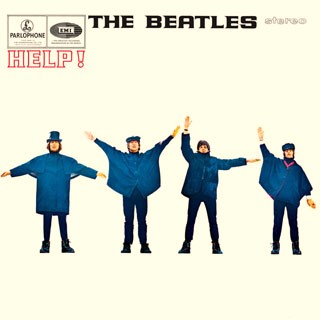 “Yesterday” was released on CD for the first time on the “Help!” album back on April 30th, 1987, the vinyl edition being released on July 21st, 1987. Both of these releases contained the new George Martin stereo mix of 1986, as did the remastered CD release from September 9th, 2009 and its remastered vinyl edition coming out on November 13th, 2012. “Yesterday” was released on CD for the first time on the “Help!” album back on April 30th, 1987, the vinyl edition being released on July 21st, 1987. Both of these releases contained the new George Martin stereo mix of 1986, as did the remastered CD release from September 9th, 2009 and its remastered vinyl edition coming out on November 13th, 2012.
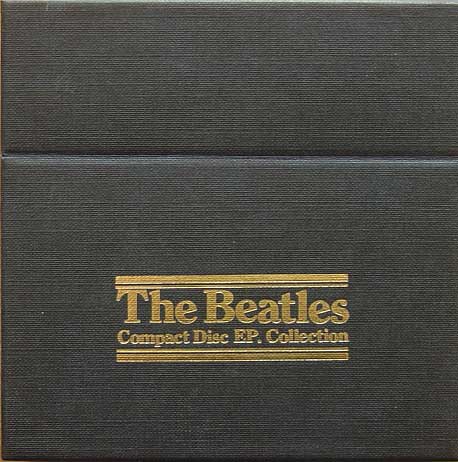 The 1965 mono mix of “Yesterday” was also released on compact disc in the US on the June 30th, 1992 released box set they titled “Compact Disc EP Collection.” This highly priced set included individual CDs to replicate all of the successful EPs that were released in Britain. The UK four-track “Yesterday” EP that was originally released on March 4th, 1966, was included in its entirety. The 1965 mono mix of “Yesterday” was also released on compact disc in the US on the June 30th, 1992 released box set they titled “Compact Disc EP Collection.” This highly priced set included individual CDs to replicate all of the successful EPs that were released in Britain. The UK four-track “Yesterday” EP that was originally released on March 4th, 1966, was included in its entirety.
 A re-release of the US single was released on January 24th, 1996 on the Capitol “Cema Series” for jukeboxes only. Uniquely, this single was printed on pink vinyl in a very limited quantity, which assures its increased value as the years progress. A re-release of the US single was released on January 24th, 1996 on the Capitol “Cema Series” for jukeboxes only. Uniquely, this single was printed on pink vinyl in a very limited quantity, which assures its increased value as the years progress.
 Shortly afterward, on March 18th, 1996, Apple came out with “Anthology 2” featuring two renditions of the song “Yesterday.” First was the previously unheard “take one” of Paul running through the song on acoustic guitar and vocals while quickly instructing Harrison concerning the chords of the song. The second rendition was Paul's live performance of the song on August 1st, 1965 at the ABC Theatre in Blackpool for the British TV program “Blackpool Night Out.” These were only two of multiple outstanding elements on this incredible compilation which debuted at #1 on the US Billboard album chart and sold over two million copies. Shortly afterward, on March 18th, 1996, Apple came out with “Anthology 2” featuring two renditions of the song “Yesterday.” First was the previously unheard “take one” of Paul running through the song on acoustic guitar and vocals while quickly instructing Harrison concerning the chords of the song. The second rendition was Paul's live performance of the song on August 1st, 1965 at the ABC Theatre in Blackpool for the British TV program “Blackpool Night Out.” These were only two of multiple outstanding elements on this incredible compilation which debuted at #1 on the US Billboard album chart and sold over two million copies.
To promote the “Anthology 2” album, a CD Sampler single disc was distributed to radio stations for airplay. The studio “take one” of “Yesterday” was included.
 The idea of featuring all their number one hits on a single disc was revisited during the year 2000 resulting in the CD “Beatles 1,” which was released on November 13th of that year. Although the 1982 release “20 Greatest Hits” didn’t make many sales waves, the timing was definitely right this time around. It sold around 595,000 copies in the first week, debuting in the #1 spot on the Billboard album chart and achieving a total of eight weeks in the top spot. By 2005, it achieved “diamond” status, eventually selling over 11 million copies in America alone. George Martin’s 1986 stereo mix of “Yesterday” was featured on this release. A remastered version of this album was released in September of 2011 as well as a newer mixed version (mixed by Giles Martin) being released on November 6th, 2015. The idea of featuring all their number one hits on a single disc was revisited during the year 2000 resulting in the CD “Beatles 1,” which was released on November 13th of that year. Although the 1982 release “20 Greatest Hits” didn’t make many sales waves, the timing was definitely right this time around. It sold around 595,000 copies in the first week, debuting in the #1 spot on the Billboard album chart and achieving a total of eight weeks in the top spot. By 2005, it achieved “diamond” status, eventually selling over 11 million copies in America alone. George Martin’s 1986 stereo mix of “Yesterday” was featured on this release. A remastered version of this album was released in September of 2011 as well as a newer mixed version (mixed by Giles Martin) being released on November 6th, 2015.
 A 6 CD box set was released on July 17th, 2001 entitled "Produced By George Martin," which contained a huge selection of examples of George Martin's production work throughout his impressive career. "Yesterday" was a much expected selection on this set, the song being contained on "Disc Three (That Was The Decade That Was)." A 6 CD box set was released on July 17th, 2001 entitled "Produced By George Martin," which contained a huge selection of examples of George Martin's production work throughout his impressive career. "Yesterday" was a much expected selection on this set, the song being contained on "Disc Three (That Was The Decade That Was)."
November 20th, 2006 was the release date for the Cirque du Soleil soundtrack “Beatles Love,” which featured the above mentioned flawless stereo mix of “Yesterday” (with an instrumental “Blackbird” introduction). Reaching #4 on the Billboard album chart, it sold over two million copies.
 In order to hear the original mono and stereo mixes of the song, one needs the box set “The Beatles In Mono” containing both, which was released on CD on September 9th, 2009 and on vinyl on September 9th, 2014. In order to hear the original mono and stereo mixes of the song, one needs the box set “The Beatles In Mono” containing both, which was released on CD on September 9th, 2009 and on vinyl on September 9th, 2014.
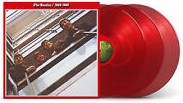 A new 50th Anniversay edition of the compilation album "The Beatles / 1962 - 1966" (aka "The Red Album") was released on November 10th, 2023, the newly AI created stereo mix of "Yesterday," as detailed above, being included here. This newly expanded release included 12 additional songs for a total of 38 tracks, and was made available as a double CD and as a triple vinyl release on both black and red vinyl. A new 50th Anniversay edition of the compilation album "The Beatles / 1962 - 1966" (aka "The Red Album") was released on November 10th, 2023, the newly AI created stereo mix of "Yesterday," as detailed above, being included here. This newly expanded release included 12 additional songs for a total of 38 tracks, and was made available as a double CD and as a triple vinyl release on both black and red vinyl.
 McCartney concert renditions of the song can also be heard on “Wings Over America” (released December 10th, 1976), “Tripping The Live Fantastic” (released on November 5th, 1990), "The Concert For New York City" (released November 27th, 2001), “Back In The US” (released on November 26th, 2002) and “Good Evening New York City” (released on November 17th, 2009). McCartney concert renditions of the song can also be heard on “Wings Over America” (released December 10th, 1976), “Tripping The Live Fantastic” (released on November 5th, 1990), "The Concert For New York City" (released November 27th, 2001), “Back In The US” (released on November 26th, 2002) and “Good Evening New York City” (released on November 17th, 2009).
Live Performances
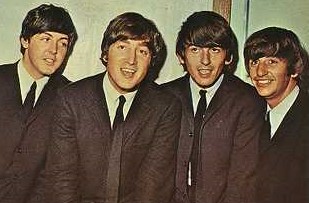 After their witnessing the magnificent results of the recording of “Yesterday,” with the amazing emotional impact of the string quartet, no doubt everyone in The Beatles circle realized they had something they could not help but want to promote. And promote they did! Although live performances by the band were to wind down just over a year later, they spent most of the remainder of their touring life showcasing the song. After their witnessing the magnificent results of the recording of “Yesterday,” with the amazing emotional impact of the string quartet, no doubt everyone in The Beatles circle realized they had something they could not help but want to promote. And promote they did! Although live performances by the band were to wind down just over a year later, they spent most of the remainder of their touring life showcasing the song.
 Their first public performance of “Yesterday” was on August 1st, 1965 (which was five days before it was released on the “Help!” album in Britain) at the ABC Theatre in Blackpool for the live TV program “Blackpool Night Out.” Being the fifth song of their six song set, George Harrison introduced the song with the words “For Paul McCartney of Liverpool, Opportunity Knocks,” in recognition of the very popular British talent show. The other Beatles then exit the stage leaving Paul alone to perform the song solo on an acoustic guitar accompanied by a pre-recorded orchestra. Afterwards, the rest of the group re-enter the stage and John commented, “Thank you, Ringo, that was wonderful.” This entire performance is available on “Anthology 2.” Their first public performance of “Yesterday” was on August 1st, 1965 (which was five days before it was released on the “Help!” album in Britain) at the ABC Theatre in Blackpool for the live TV program “Blackpool Night Out.” Being the fifth song of their six song set, George Harrison introduced the song with the words “For Paul McCartney of Liverpool, Opportunity Knocks,” in recognition of the very popular British talent show. The other Beatles then exit the stage leaving Paul alone to perform the song solo on an acoustic guitar accompanied by a pre-recorded orchestra. Afterwards, the rest of the group re-enter the stage and John commented, “Thank you, Ringo, that was wonderful.” This entire performance is available on “Anthology 2.”
 Next came the taping of The Beatles' fourth and final studio appearance on the popular “Ed Sullivan Show” in America. The taping was on August 14th, 1965 and the set comprised the same six songs they played for “Blackpool Night Out” two weeks before. After Paul’s performance of “Yesterday,” also played with a pre-taped violin track, John returned with the words, “Thank you Paul, that was just like him.” Next came the taping of The Beatles' fourth and final studio appearance on the popular “Ed Sullivan Show” in America. The taping was on August 14th, 1965 and the set comprised the same six songs they played for “Blackpool Night Out” two weeks before. After Paul’s performance of “Yesterday,” also played with a pre-taped violin track, John returned with the words, “Thank you Paul, that was just like him.”
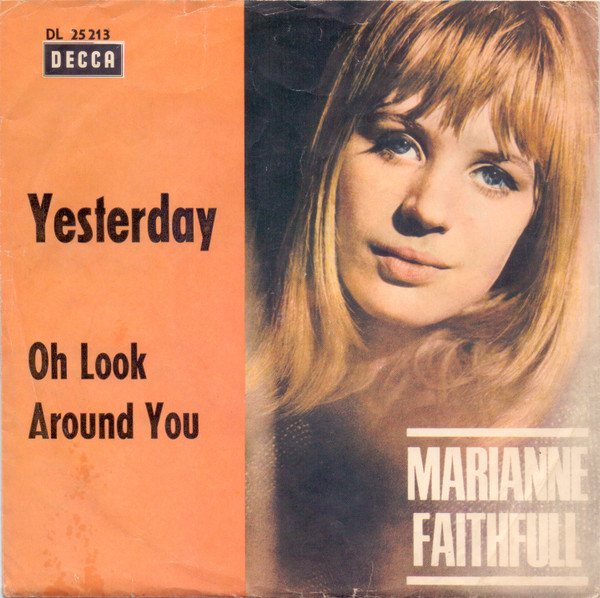 On November 1st and 2nd, 1965, The Beatles were in Manchester at the Granada TV Centre recording a British TV special entitled “The Music Of Lennon & McCartney.” McCartney was filmed miming the first verse of “Yesterday” which was then segued into the completion of the song by Marianne Faithfull, who had a minor Top 40 hit in Britain with her rendition. This special originally aired in Britain on December 17th, 1965. On November 1st and 2nd, 1965, The Beatles were in Manchester at the Granada TV Centre recording a British TV special entitled “The Music Of Lennon & McCartney.” McCartney was filmed miming the first verse of “Yesterday” which was then segued into the completion of the song by Marianne Faithfull, who had a minor Top 40 hit in Britain with her rendition. This special originally aired in Britain on December 17th, 1965.
On December 3rd, 1965, The Beatles began their final British tour, which lasted only until December 12th of that year. Among the eight cities visited on the tour was Liverpool, this being the last time the group performed in their hometown. “Yesterday” was part of their set during this brief tour which, strangely enough, featured Paul accompanying himself on an electric organ.
 Their final international tour started on June 24th, 1966, an excursion which took the band to West Germany, Japan and The Philippines. This tour, which only lasted until July 4th of that year, included Paul's “Yesterday” in the band's set list. McCartney played bass on the song this time around with an electric guitars / drums arrangement utilizing all four of The Beatles (no pre-taped violins). This best represents what the song would have sounded like if they had kept to their usual instrumentation during that period, many fans preferring this version in retrospect. Their Japan performances of the song at the Nippon Budokan Hall exist and can be viewed from many sources today. Their final international tour started on June 24th, 1966, an excursion which took the band to West Germany, Japan and The Philippines. This tour, which only lasted until July 4th of that year, included Paul's “Yesterday” in the band's set list. McCartney played bass on the song this time around with an electric guitars / drums arrangement utilizing all four of The Beatles (no pre-taped violins). This best represents what the song would have sounded like if they had kept to their usual instrumentation during that period, many fans preferring this version in retrospect. Their Japan performances of the song at the Nippon Budokan Hall exist and can be viewed from many sources today.
The Beatles' final American tour, which was their final tour anywhere, began on August 12th, 1966 in Chicago. After the group played Philadelphia, Cleveland, Detroit, Shea Stadium in New York and many other locations, this tour ended at Candlestick Park in San Francisco on August 29th of that year. Their identical song list from the previous international tour was performed, the full group electric guitar / drums version of “Yesterday” still being included.
 With the imminent news of The Beatles' breakup, a special “Beatles Songbook” episode of “The Ed Sullivan Show” aired on March 1st, 1970. A variety of guests performed live renditions of Beatles songs, including Peggy Lee, Dionne Warwick, Duke Ellington and even The Muppets (delivering “Octopus’s Garden”) along with footage from the soon-to-be-released movie “Let It Be” (the songs “Two Of Us” and “Let It Be”). Also shown here was a replay of McCartney's August 14th, 1965 "Ed Sullivan Show" performance of "Yesterday" overdubbed on a split screen with Peggy Lee and Dionne Warwick harmonizing as a trio, which made for a very impressive and memorable rendition. With the imminent news of The Beatles' breakup, a special “Beatles Songbook” episode of “The Ed Sullivan Show” aired on March 1st, 1970. A variety of guests performed live renditions of Beatles songs, including Peggy Lee, Dionne Warwick, Duke Ellington and even The Muppets (delivering “Octopus’s Garden”) along with footage from the soon-to-be-released movie “Let It Be” (the songs “Two Of Us” and “Let It Be”). Also shown here was a replay of McCartney's August 14th, 1965 "Ed Sullivan Show" performance of "Yesterday" overdubbed on a split screen with Peggy Lee and Dionne Warwick harmonizing as a trio, which made for a very impressive and memorable rendition.
 Interestingly, Paul performed the song twice during filming for his 1973 television special "James Paul McCartney." With his current wife Linda acting as photographer, Paul played this song acoustically as part of a medley sometime in February or March of that year in ATV Elstree Studios in Borehamwood, Hertfordshire, England, this rendition of "Yesterday" being omitted when the show aired. Paul also played the song acoustically with his band Wings looking on, this version being used as the closing segment of the program while the credits rolled. The TV show aired in America on April 16th, 1973. Interestingly, Paul performed the song twice during filming for his 1973 television special "James Paul McCartney." With his current wife Linda acting as photographer, Paul played this song acoustically as part of a medley sometime in February or March of that year in ATV Elstree Studios in Borehamwood, Hertfordshire, England, this rendition of "Yesterday" being omitted when the show aired. Paul also played the song acoustically with his band Wings looking on, this version being used as the closing segment of the program while the credits rolled. The TV show aired in America on April 16th, 1973.
 While McCartney refrained from performing any Beatles material with his new band Wings for the first few years of its existence (the exception being “Long Tall Sally”), the personal ban was lifted for their 1975/76 “Wings Over The World” tour. Both their 1975 and 1976 sets included “Yesterday,” albeit in a truncated version. After realizing that he wasn’t repeating the bridge and the final verse as heard in the original version, Paul remarked, “I quite like that…not too precious with it.” While McCartney refrained from performing any Beatles material with his new band Wings for the first few years of its existence (the exception being “Long Tall Sally”), the personal ban was lifted for their 1975/76 “Wings Over The World” tour. Both their 1975 and 1976 sets included “Yesterday,” albeit in a truncated version. After realizing that he wasn’t repeating the bridge and the final verse as heard in the original version, Paul remarked, “I quite like that…not too precious with it.”
 The final Wings “UK Tour 1979” in promotion of their album “Back To The Egg” also featured their rendition of “Yesterday.” Three other Beatles songs had been featured as well, these being “Let It Be,” “Got To Get You Into My Life” and even “The Fool On The Hill.” Obviously, McCartney was “getting closer” to coming to terms with his Beatles past. The final Wings “UK Tour 1979” in promotion of their album “Back To The Egg” also featured their rendition of “Yesterday.” Three other Beatles songs had been featured as well, these being “Let It Be,” “Got To Get You Into My Life” and even “The Fool On The Hill.” Obviously, McCartney was “getting closer” to coming to terms with his Beatles past.
"Yesterday" then became a regular for his solo tours of later years, starting with Paul's “World Tour” of 1989 / 1990. This song was surprisingly not played during his 1991 “Unplugged Tour,” but was thereafter included in every tour Paul has done since, mostly toward the end of the show or as an encore.
 Other isolated performances of the song occurred, such as a partial rendition heard at the end of his October 23rd, 1984 appearance on “The Tonight Show With Johnny Carson.” (He started to play it and, because they were running out of time, played one verse of “You Are My Sunshine” instead.) He also performed the song on October 20th, 2001 at "The Concert For New York City," a benefit show in response to the September 11th attacks that year. Another noteworthy rendition was on “Late Night With Jimmy Fallon” where Paul and the host sang a duet of the (supposed) original lyrics of the song as "Scrambled Eggs." Also, on his 2021 Hulu docu-series "McCartney 3,2,1," Paul quickly demonstrated on piano how he fleshed out this song from his memory after waking up from the dream that produced the song. Other isolated performances of the song occurred, such as a partial rendition heard at the end of his October 23rd, 1984 appearance on “The Tonight Show With Johnny Carson.” (He started to play it and, because they were running out of time, played one verse of “You Are My Sunshine” instead.) He also performed the song on October 20th, 2001 at "The Concert For New York City," a benefit show in response to the September 11th attacks that year. Another noteworthy rendition was on “Late Night With Jimmy Fallon” where Paul and the host sang a duet of the (supposed) original lyrics of the song as "Scrambled Eggs." Also, on his 2021 Hulu docu-series "McCartney 3,2,1," Paul quickly demonstrated on piano how he fleshed out this song from his memory after waking up from the dream that produced the song.
Conclusion
 Despite his many quotes from the '60s that hint at his involvement in the composition of the song, John ended up describing “Yesterday” as “Paul’s song and Paul’s baby.” So, for all intents and purposes, Paul McCartney not only fully composed the song but is the only Beatle performing on the actual recording. While McCartney's solo career didn’t really start for another five years (or two years if you count his soundtrack compositions for the motion picture “The Family Way”), it could well have started at this point if the "powers that be" had determined so. Despite his many quotes from the '60s that hint at his involvement in the composition of the song, John ended up describing “Yesterday” as “Paul’s song and Paul’s baby.” So, for all intents and purposes, Paul McCartney not only fully composed the song but is the only Beatle performing on the actual recording. While McCartney's solo career didn’t really start for another five years (or two years if you count his soundtrack compositions for the motion picture “The Family Way”), it could well have started at this point if the "powers that be" had determined so.
 “It really wasn’t a Beatles record and I discussed this with Brian Epstein,” George Martin explained. When speaking to Brian Epstein back then, he asked: “’You know, this is Paul’s song…Shall we call it Paul McCartney?’ He said, ‘No, whatever we do we are not splitting up The Beatles…This is The Beatles, we don’t differentiate.’ So even though none of the others appeared on the record, it was still The Beatles – that was the creed of the day.” “It really wasn’t a Beatles record and I discussed this with Brian Epstein,” George Martin explained. When speaking to Brian Epstein back then, he asked: “’You know, this is Paul’s song…Shall we call it Paul McCartney?’ He said, ‘No, whatever we do we are not splitting up The Beatles…This is The Beatles, we don’t differentiate.’ So even though none of the others appeared on the record, it was still The Beatles – that was the creed of the day.”
 So as far as the public knew, it was a full-fledged Lennon / McCartney composition that Paul just happened to sing. “I sat in a restaurant in Spain and the violinist insisted on playing ‘Yesterday’ right in my ear,” John related. “Then he asked me to sign the violin. I didn’t know what to say so I said, ‘OK,’ and I signed it…One day he’s going to find out that Paul wrote it…But I guess he couldn’t have gone from table to table playing ‘I Am The Walrus.’” So as far as the public knew, it was a full-fledged Lennon / McCartney composition that Paul just happened to sing. “I sat in a restaurant in Spain and the violinist insisted on playing ‘Yesterday’ right in my ear,” John related. “Then he asked me to sign the violin. I didn’t know what to say so I said, ‘OK,’ and I signed it…One day he’s going to find out that Paul wrote it…But I guess he couldn’t have gone from table to table playing ‘I Am The Walrus.’”
Song Summary
“Yesterday”
Written by: John Lennon / Paul McCartney
-
Song Written: November, 1964 – June, 1965
-
Song Recorded: June 14 & 17, 1965
-
First US Release Date: September 13, 1965
-
US Single Release: Capitol #5498
-
Highest Chart Position: #1 (4 weeks)
-
-
British Album Release: Parlophone #PCS 3071 “Help!”
-
Length: 2:04
-
Key: F major
-
Producer: George Martin
-
Engineers: Geoff Emerick, Phil McDonald
Instrumentation (most likely):
-
Paul McCartney - Lead Vocals, Rhythm Guitar (1964 Epiphone Texan FT-79)
-
Tony Gilbert – First Violin
-
Sidney Sax - Second Violin
-
Francisco Gabarro - Cello
-
Kenneth Essex – Viola
Written and compiled by Dave Rybaczewski
|
IF YOU WOULD LIKE TO MAKE A DONATION TO KEEP THIS WEBSITE UP AND RUNNING, PLEASE CLICK BELOW!
Sign Up Below for our MONTHLY BEATLES TRIVIA QUIZ!
|